Beyond the 99% Invisible City
Episode
39 min
Read time
2 min
Topics
Health & Wellness, Startups, Design & UX
AI-Generated Summary
Key Takeaways
- ✓Traffic sign geometry theory: Mississippi Valley Association standardized stop signs as octagons in 1923 based on a principle that more sides equal higher danger levels—circles for railroad crossings, octagons for stops, diamonds for warnings, rectangles for information.
- ✓Depression-era urban infill: During the 1930s economic collapse, entrepreneurs converted vacant lots, rooftops, and parking lots into miniature golf courses, positioning them under lit billboards for free nighttime lighting and creating ubiquitous low-cost entertainment throughout cities.
- ✓Treaty-enforced open borders: The 1812 war treaty between US and UK mandates the US-Canada border remain undefended, meaning Peace Arch Park cannot fully close without triggering territorial claims—potentially giving Canada parts of Maine, Michigan, Wisconsin or US claiming Ontario, Quebec.
- ✓Hurricane-resistant water collection: Bermuda homes use steep white-lime-coated stepped stone roofs that prevent wind suction during hurricanes while slowing rainwater runoff for capture, storing 12,000-40,000 gallons per house, enabling 24-36 hour post-hurricane recovery versus weeks elsewhere.
What It Covers
This episode shares four short design stories from the expanded 99% Invisible City book, covering stop sign evolution, Depression-era miniature golf proliferation, US-Canada border parks, and Bermuda's hurricane-resistant white stepped roofs.
Key Questions Answered
- •Traffic sign geometry theory: Mississippi Valley Association standardized stop signs as octagons in 1923 based on a principle that more sides equal higher danger levels—circles for railroad crossings, octagons for stops, diamonds for warnings, rectangles for information.
- •Depression-era urban infill: During the 1930s economic collapse, entrepreneurs converted vacant lots, rooftops, and parking lots into miniature golf courses, positioning them under lit billboards for free nighttime lighting and creating ubiquitous low-cost entertainment throughout cities.
- •Treaty-enforced open borders: The 1812 war treaty between US and UK mandates the US-Canada border remain undefended, meaning Peace Arch Park cannot fully close without triggering territorial claims—potentially giving Canada parts of Maine, Michigan, Wisconsin or US claiming Ontario, Quebec.
- •Hurricane-resistant water collection: Bermuda homes use steep white-lime-coated stepped stone roofs that prevent wind suction during hurricanes while slowing rainwater runoff for capture, storing 12,000-40,000 gallons per house, enabling 24-36 hour post-hurricane recovery versus weeks elsewhere.
Notable Moment
One miniature golf course during the Great Depression featured a trained monkey that would steal golf balls from players mid-game, representing the creative desperation and entrepreneurial innovation that characterized Depression-era entertainment when traditional leisure activities became financially inaccessible.

You just read a 3-minute summary of a 36-minute episode.
Get 99% Invisible summarized like this every Monday — plus up to 2 more podcasts, free.
Pick Your Podcasts — FreeKeep Reading
More from 99% Invisible
100 Objects #21: Window from the House of D
Oct 23 · 37 min

20VC (20 Minute VC)
20VC: Anthropic vs The Pentagon: Who Wins | The Ultimate Stock Picks: What to Buy | The Data Centre Arms Race: Is the Capex War Stalling | The Era of Public Company Deceleration is Dead
Mar 12
More from 99% Invisible
Audio Guide of the Imperfections of a Perfect Masterpiece
Oct 21 · 29 min

Everything Everywhere Daily
The Doctor's Riot of 1788
Aug 23
Books, tools, and gear mentioned in this episode
SignalCast may earn commission on purchases via these links. As an Amazon Associate, SignalCast earns from qualifying purchases.
Books
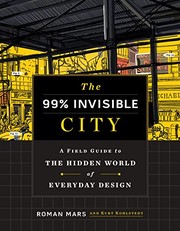
“This episode shares four short design stories from the expanded 99% Invisible City book, covering stop sign evolution, Depression-era miniature golf proliferation, US-Canada border parks, and Bermuda's hurricane-resistant white stepped roofs.”
More from 99% Invisible
We summarize every new episode. Want them in your inbox?
100 Objects #21: Window from the House of D
Audio Guide of the Imperfections of a Perfect Masterpiece
Tony Hawk's Real-Life Willy Wonka
The Problem With Football Helmets
(Not Just) Another Brick in the Wall
Similar Episodes
Related episodes from other podcasts

20VC (20 Minute VC)
Mar 12
20VC: Anthropic vs The Pentagon: Who Wins | The Ultimate Stock Picks: What to Buy | The Data Centre Arms Race: Is the Capex War Stalling | The Era of Public Company Deceleration is Dead

Everything Everywhere Daily
Aug 23
The Doctor's Riot of 1788

Pivot
Jul 31
Mamdani’s Tax List, Zuck's Media Blitz, and SpaceX’s Trillion-Dollar Wipeout
Pivot
Jul 10
Netflix Chases YouTube, Meta's AI Photo Grab, and Disney Fights the FCC

The Mel Robbins Podcast
Mar 19
This One Episode Will Change How You Think About the World & Your Life (From #1 Cancer Surgeon)
Explore Related Topics
Read this week's Health & Longevity Podcast Insights — cross-podcast analysis updated weekly.
You're clearly into 99% Invisible.
Every Monday, we deliver AI summaries of the latest episodes from 99% Invisible and 192+ other podcasts. Free for one show.
Start My Monday DigestNo credit card · Unsubscribe anytime