What does it mean to be a father? | An exclusive conversation with Tony, Sage, and Mary B. on the difference between a dad and a father
Episode
66 min
Read time
2 min
Topics
Productivity, Relationships, Leadership
AI-Generated Summary
Key Takeaways
- ✓Father versus Dad distinction: A father loves unconditionally but risks losing short-term affection to serve long-term growth, calling children to their higher potential even when uncomfortable. A dad focuses on fun and friendship, while a father provides both warmth and strength to challenge limitations at every developmental stage.
- ✓Mother's narrative shapes father perception: How mothers frame fathers dramatically influences children's relationships with them. Sage viewed her frequently absent father as serving the family because her mother portrayed his work positively, while Tony developed negative views of his biological father largely through his mother's critical lens and their divorce when he was seven.
- ✓Warm father principle in leadership: Tony places "warm father" at the top of his pre-stage checklist, representing unselfish service without seeking acknowledgment. This archetype combines complete unconditional love with strength to challenge people, applicable beyond parenting to mentoring, coaching, and leadership roles where you see more in someone than they see themselves.
- ✓Each child requires different support: Effective fatherhood means recognizing that each child possesses unique gifts and needs customized challenges and support. Rather than imposing your life approach or values as a tattoo on your child, fathers must acutely observe individual differences and adapt their parenting to serve each child's specific developmental needs and natural talents.
- ✓Reward effort over outcomes: Modern parents damage children by constant praise about being the best or most beautiful. Stanford research by Carol Dweck shows this creates devastating internalization when children discover they are not exceptional, preventing risk-taking necessary for growth. Parents should reward persistence and effort instead, teaching children that drive and willingness to persist matter more than innate ability.
What It Covers
Tony Robbins, Sage Robbins, and Mary B explore fatherhood's meaning through Tony's experience with four different fathers, his role parenting five children across different life stages, and the distinction between being a dad versus a father.
Key Questions Answered
- •Father versus Dad distinction: A father loves unconditionally but risks losing short-term affection to serve long-term growth, calling children to their higher potential even when uncomfortable. A dad focuses on fun and friendship, while a father provides both warmth and strength to challenge limitations at every developmental stage.
- •Mother's narrative shapes father perception: How mothers frame fathers dramatically influences children's relationships with them. Sage viewed her frequently absent father as serving the family because her mother portrayed his work positively, while Tony developed negative views of his biological father largely through his mother's critical lens and their divorce when he was seven.
- •Warm father principle in leadership: Tony places "warm father" at the top of his pre-stage checklist, representing unselfish service without seeking acknowledgment. This archetype combines complete unconditional love with strength to challenge people, applicable beyond parenting to mentoring, coaching, and leadership roles where you see more in someone than they see themselves.
- •Each child requires different support: Effective fatherhood means recognizing that each child possesses unique gifts and needs customized challenges and support. Rather than imposing your life approach or values as a tattoo on your child, fathers must acutely observe individual differences and adapt their parenting to serve each child's specific developmental needs and natural talents.
- •Reward effort over outcomes: Modern parents damage children by constant praise about being the best or most beautiful. Stanford research by Carol Dweck shows this creates devastating internalization when children discover they are not exceptional, preventing risk-taking necessary for growth. Parents should reward persistence and effort instead, teaching children that drive and willingness to persist matter more than innate ability.
Notable Moment
Tony reveals he watches his infant daughter through a baby monitor app while traveling and called Sage nearly in tears during an NBA finals game because the baby was crying while teething, demonstrating unexpected tenderness from someone known for his imposing physical presence and intense public persona.
Episode Transcript
Toni, welcome to the Tony Robbins podcast. It's a pleasure to have you. It's a treat to be on your own podcast. I never thought I'd be sitting across from you. We have a very special guest today on the Tony Robbins podcast. One and only Tony Robbins. Oh my gosh. Well, I feel really privileged to be on this podcast, the two of you especially. Listen, I know it's a Father's Day podcast, and I know you guys are gonna do the bulk of this because I guess that's what you promised. You did Mother's Day. Right? We did indeed. And on our that one. Yes. Thank you. And on that podcast, we actually committed to it just felt imbalanced to only do one perspective. And so thank you for joining us because we wanted to get from your eyes and your perspective. Obviously, we're not fathers. Yeah. But you both have amazing fathers, obviously. Some present still, some present from a distance on the other side in Mary's case. But both your fathers have had a big impact on me as well. And just getting a sense, Tom, like, what does it mean to you to be a father? And can you speak on the father principle that's really alive in all of us as an attribute? Well, I think the father's job is one of the most important jobs on Earth other than mother's probably. I think it's unique. Everyone has their own idea of what that looks like. I think the most important thing if you're listening in Father's Day first of all, happy Father's Day to all the fathers out there. I send you all my love because I know what that means, and I know we've all been shaped to some extent. And some people have been shaped, because the father relationship was not a great one. Some people barely know their father. Some people have very harsh relationships with others. Some have very loving relationships. So some are close, some are distance, and I don't pretend to be an expert, but I do have the great privilege and blessing of being a father to five and and a grandfather to five. So at least I have some experience on the job and at different stages of my life too where I got several of my children all at once, which is a unique experience of life. But I think, you know, the father role as far as I'm concerned is it has two sides to it. You know, there's anyone can be a parent, anyone can have a child, but I think there's a difference between being a father and even being a dad to me in my world. A dad is a really beautiful and fun experience. You know, a dad can you can be the friend to your kids, but I think a father is someone who who loves their child so much that you're willing to risk losing their love …
Get the full transcript (12,459 words) + summary by email — free
One-time email with the complete transcript and AI summary of this episode. No account needed.
One email, no spam. We’ll also show you what SignalCast does.

You just read a 3-minute summary of a 63-minute episode.
Get The Tony Robbins Podcast summarized like this every Monday — plus up to 2 more podcasts, free.
Pick Your Podcasts — FreeKeep Reading
More from The Tony Robbins Podcast
Tony Robbins Saves A Relationship in Under 1 Hour | Full Intervention
Mar 24 · 56 min

The Diary of a CEO
Most Replayed Moment: Tony Robbins Reveals The Key To A Meaningful Life
Aug 28
More from The Tony Robbins Podcast
Meet The Woman Who Built A $3B Beauty Brand from $0 | Anastasia Soare
Mar 17 · 80 min

Shop Talk Show
696: Predictions for 2026, ADHD Updates, and Holiday Catchup
Jan 5
Books, tools, and gear mentioned in this episode
SignalCast may earn commission on purchases via these links. As an Amazon Associate, SignalCast earns from qualifying purchases.
Books
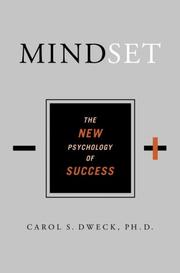 MindsetRecommended
by Carol Dweck
“Stanford research by Carol Dweck shows this creates devastating internalization when children discover they are not exceptional, preventing risk-taking necessary for growth.”
More from The Tony Robbins Podcast
We summarize every new episode. Want them in your inbox?
Tony Robbins Saves A Relationship in Under 1 Hour | Full Intervention
Meet The Woman Who Built A $3B Beauty Brand from $0 | Anastasia Soare
Spartan Race Founder Joe De Sena's Biggest Lessons Growing a $100M Empire
Inside America's New Defense Tech: Drones, Data and AI with Joe Lonsdale
The Truth About Happiness You Were Never Taught with Michael Singer
Similar Episodes
Related episodes from other podcasts

The Diary of a CEO
Aug 28
Most Replayed Moment: Tony Robbins Reveals The Key To A Meaningful Life

Shop Talk Show
Jan 5
696: Predictions for 2026, ADHD Updates, and Holiday Catchup

Hidden Brain
Dec 22
The Reset Button

ChooseFI
Aug 25
Mini-Retirements: Test Driving Financial Independence | Ep 561
Hidden Brain
Jun 16
Doing it the Hard Way
Explore Related Topics
This podcast is featured in Best Mindset Podcasts (2026) — ranked and reviewed with AI summaries.
You're clearly into The Tony Robbins Podcast.
Every Monday, we deliver AI summaries of the latest episodes from The Tony Robbins Podcast and 192+ other podcasts. Free for one show.
Start My Monday DigestNo credit card · Unsubscribe anytime