The Real Reason You Can't Stop Your Addiction | Dr. Gabor Maté
Episode
67 min
Read time
3 min
Topics
Productivity, Health & Wellness, Relationships
AI-Generated Summary
Key Takeaways
- ✓Addiction definition: Addiction requires three specific criteria: temporary pleasure or relief, craving that returns, and negative consequences the person cannot stop despite awareness. Behaviors without negative consequences are passions or habits, not addictions. The word itself derives from the Latin *addictus*, meaning an indentured slave — someone with no free will over their actions. Recognizing this distinction reframes how to approach compulsive behavior.
- ✓Trauma as root cause: Every addiction traces back to an unresolved wound from childhood. Maté defines trauma using its Greek origin — meaning "wound" — and argues that addictive behavior is an attempt to escape the pain of that wound. His own workaholism stemmed from needing to prove he deserved to exist. Identifying *what the addiction provides* (escape, worth, power) reveals the underlying wound to address.
- ✓Mind-body disease connection: Decades of research link suppressed emotions directly to physical illness, yet most specialists never ask patients about stress or trauma. Studies show sexually abused men face triple the heart disease risk, women with severe PTSD face double the ovarian cancer risk, and MS symptoms can improve significantly when underlying trauma is treated. Asking "what is my body saying no to?" can surface emotional sources of physical symptoms.
- ✓Emotional suppression and depression: Depression is not a standalone disease but the physiological result of repeatedly pushing emotions down. Children forced to suppress feelings to maintain parental attachment literally depress their emotional responses. The word "depressing" means pushing down. Maté argues that treating depression without addressing the original suppression — and the relational context that caused it — addresses only the surface manifestation, not the process generating it.
- ✓Healing requires external support: Spontaneous self-healing without support is rare and typically involves a profound spiritual or nature-based experience. For most people, healing trauma-driven addiction requires self-awareness combined with consistent connection — a therapist, 12-step group, trusted partner, or professional guide. Maté recommends not waiting for a breakthrough moment and instead seeking structured support immediately, as available resources and social connection directly determine recovery speed.
What It Covers
Dr. Gabor Maté, physician and author of *The Myth of Normal*, explains that addiction is never a disease or a choice — it is a coping mechanism rooted in childhood trauma. He connects suppressed emotions to physical illness, critiques Western medicine's mind-body separation, and outlines how toxic cultural norms perpetuate generational suffering across populations.
Key Questions Answered
- •Addiction definition: Addiction requires three specific criteria: temporary pleasure or relief, craving that returns, and negative consequences the person cannot stop despite awareness. Behaviors without negative consequences are passions or habits, not addictions. The word itself derives from the Latin *addictus*, meaning an indentured slave — someone with no free will over their actions. Recognizing this distinction reframes how to approach compulsive behavior.
- •Trauma as root cause: Every addiction traces back to an unresolved wound from childhood. Maté defines trauma using its Greek origin — meaning "wound" — and argues that addictive behavior is an attempt to escape the pain of that wound. His own workaholism stemmed from needing to prove he deserved to exist. Identifying *what the addiction provides* (escape, worth, power) reveals the underlying wound to address.
- •Mind-body disease connection: Decades of research link suppressed emotions directly to physical illness, yet most specialists never ask patients about stress or trauma. Studies show sexually abused men face triple the heart disease risk, women with severe PTSD face double the ovarian cancer risk, and MS symptoms can improve significantly when underlying trauma is treated. Asking "what is my body saying no to?" can surface emotional sources of physical symptoms.
- •Emotional suppression and depression: Depression is not a standalone disease but the physiological result of repeatedly pushing emotions down. Children forced to suppress feelings to maintain parental attachment literally depress their emotional responses. The word "depressing" means pushing down. Maté argues that treating depression without addressing the original suppression — and the relational context that caused it — addresses only the surface manifestation, not the process generating it.
- •Healing requires external support: Spontaneous self-healing without support is rare and typically involves a profound spiritual or nature-based experience. For most people, healing trauma-driven addiction requires self-awareness combined with consistent connection — a therapist, 12-step group, trusted partner, or professional guide. Maté recommends not waiting for a breakthrough moment and instead seeking structured support immediately, as available resources and social connection directly determine recovery speed.
- •Personality as coping mechanism: The traits people identify as their core personality are largely childhood survival strategies layered over genuine qualities. Rather than eliminating these traits, Maté recommends befriending them — asking what need each trait was originally meeting. A pattern of compulsive sexual conquest, for example, is an attempt to feel lovable. Understanding the need beneath the behavior creates a pathway to meeting that need in less harmful ways.
Notable Moment
Maté describes lying on a mat at age 71 under psilocybin therapy, fully aware of his adult identity, yet simultaneously experiencing himself as a one-year-old infant apologizing to his mother for making her life difficult. This moment revealed how early — and wordlessly — children absorb responsibility for parental suffering, shaping decades of behavior.
Episode Transcript
Things that are considered normal in society are not at all normal from the point of view of human life and human needs. The addictions that people develop are actually normal responses to an abnormal situation. Doctor Mate is a world renowned physician, best selling author whose work dives deep into childhood development and the impact of trauma. Doctor Gabor Mate. If you were the average neurologist with symptoms of MS, nobody's gonna ask you about your trauma. There's a huge gap between the scientific evidence and how we practice medicine. Why do you think in our modern society with all the medical and scientific advances that there's so much suffering when we have more information and knowledge and tools than ever before? Well What I read about your stuff, what I see about your content is a lot of people are lost based on trauma. And past traumas cause certain addictions or certain behaviors Yeah. And routines that maybe are some healthy addictions or unhealthy addictions, but it seems to be like a lot of unhealthy addictions. Oh, can I interrupt right there? Yes, please. No such thing as a healthy addiction. No such thing. If it's healthy, it's not an addiction. If it's an addiction, it's not healthy. There are passions. Mhmm. There are habits that are healthy, but they're not addictions. I I just like working out. Like Yeah. Yeah. Well, that can be an addiction, or it can be healthy. Right. Like, eating can be healthy, or it could be an addiction. Mhmm. The I define addiction as any behavior in which a person finds temporary pleasure or relief, and therefore craves, but then suffers negative consequences and cannot give it up. So if you're suffering negative consequences, so it's craving relief, pleasure in the short term, harm in the long term, inability to give it up, that's what an addiction is. Now if it's if you have a behavior that's ongoing, but there's no negative consequences, it's not an addiction. It's a passion. It's a pleasure. It's a habit. It's a healthy habit. It's a healthy habit. So for me, it's not an an addiction. And also, a healthy habit, a person, if it no longer works for them, they can give it up. Mhmm. So for me, there's no healthy addiction. There's no healthy addiction. Yeah. In fact, the word addiction comes from a word for slavery, so there's no there's no healthy slavery. Interesting. So addiction, what is the root of addiction? The the The word? Yeah. So the in Roman times, an addictus was somebody who was assigned to another person to serve them because they owed them money and they couldn't pay it back. An addictus? Yeah. Adictus was like a indentured slave who had to work off the debt. So Wow. That's where the word actually comes from is is is is is is a slave is is a form of slavery. So if you're addicted to something, you are …
Get the full transcript (12,018 words) + summary by email — free
One-time email with the complete transcript and AI summary of this episode. No account needed.
One email, no spam. We’ll also show you what SignalCast does.

You just read a 3-minute summary of a 64-minute episode.
Get The School of Greatness summarized like this every Monday — plus up to 2 more podcasts, free.
Pick Your Podcasts — FreeKeep Reading
More from The School of Greatness
Stop Grinding: Build a Business You Don't Hate | Codie Sanchez
Sep 21 · 73 min

The Indicator
How your phone keeps you scrolling ... even when you want to stop
Jun 19
More from The School of Greatness
Your Phone Is Stealing the Life You Actually Want | Cal Newport
Sep 18 · 61 min

The Diary of a CEO
Creatine Expert: Creatine Is The Secret To Weight Loss
Jun 15
Books, tools, and gear mentioned in this episode
SignalCast may earn commission on purchases via these links. As an Amazon Associate, SignalCast earns from qualifying purchases.
Books
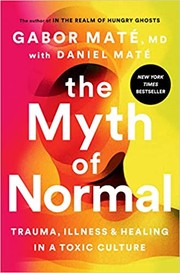 The Myth of NormalBy guest
by Gabor Maté
“Dr. Gabor Maté, physician and author of *The Myth of Normal*, explains that addiction is never a disease or a choice — it is a coping mechanism rooted in childhood trauma.”
More from The School of Greatness
We summarize every new episode. Want them in your inbox?
Stop Grinding: Build a Business You Don't Hate | Codie Sanchez
Your Phone Is Stealing the Life You Actually Want | Cal Newport
Rebuild Your Identity in 3 Steps and Finally Make Habits Last | Dr. Kim Foster
You're Not Bad With Money, You Inherited Bad Beliefs | Lewis Howes
Your Pain Pushes You Until Your Vision Pulls You | Michael Beckwith
Similar Episodes
Related episodes from other podcasts

The Indicator
Jun 19
How your phone keeps you scrolling ... even when you want to stop

The Diary of a CEO
Jun 15
Creatine Expert: Creatine Is The Secret To Weight Loss

The Genius Life
Mar 2
554: How to Use AI to Improve Your Health Right Now | Nasim Afsar, MD

Feel Better, Live More
Feb 13
BITESIZE | What Hunter-Gatherers Can Teach Us About Movement, Exercise and Ageing Well | Professor Daniel Lieberman #624

So Money with Farnoosh Torabi
Jan 26
1936: How to Pay for College Without Ruining Your Financial Life
Explore Related Topics
This podcast is featured in Best Mindset Podcasts (2026) — ranked and reviewed with AI summaries.
Read this week's Health & Longevity Podcast Insights — cross-podcast analysis updated weekly.
You're clearly into The School of Greatness.
Every Monday, we deliver AI summaries of the latest episodes from The School of Greatness and 192+ other podcasts. Free for one show.
Start My Monday DigestNo credit card · Unsubscribe anytime