David Epstein On Why Constraints Drive Creativity, The Myth Of Productive Freedom, & How Limits Make Us Better
Episode
122 min
Read time
3 min
Topics
Productivity, Health & Wellness, Investing
AI-Generated Summary
Key Takeaways
- ✓BCS Productivity Framework: Epstein outlines three concrete tactics: batch work into mono-tasking blocks rather than toggling between tasks, make all current commitments visible on physical post-it notes to expose over-commitment, and apply satisficing rules — pre-set "good enough" criteria so decisions get made and closed without endless re-evaluation. Research by Gloria Mark shows the average worker switches screen focus every 45 seconds, and the number of daily switches directly predicts end-of-day stress and lower productivity.
- ✓Attention Span Training: Gloria Mark's two-decade study reveals that constant interruptions — averaging 77 email checks per day — train the brain to self-interrupt at that same cadence even when external distractions are removed. Practical counter-measure: keep a notepad beside the workspace and write down intrusive thoughts as they arise, preventing them from occupying working memory. Reducing toggling frequency shows measurable improvement in focus within a few days of consistent practice.
- ✓Constraints Precede Creativity: Cognitive scientist Daniel Willingham's framework explains the brain defaults to the path of least resistance — reaching for previously used solutions — unless that path is blocked. Epstein calls this the "green eggs and ham effect," named for Dr. Seuss writing a children's book under a 50-word vocabulary constraint, which forced rhythmic experimentation and produced a landmark work. Blocking the familiar solution is the fastest reliable method to trigger genuine creative exploration.
- ✓Satisficing vs. Maximizing: Herbert Simon's satisficer-maximizer scale shows maximizers — people who try to optimize every decision — consistently score lower on life satisfaction, experience more regret, and feel less positive even after making objectively good choices. Satisficers pre-define three criteria a decision must meet, then commit once those are met. Simon personally reduced clothing to three sets and simplified all low-stakes decisions to preserve cognitive bandwidth for work that genuinely required deep evaluation.
- ✓HARKing and Nutrition Science Distortion: Brian Wansink, once the world's most cited nutrition researcher, had his entire body of work retracted after investigators identified systematic HARKing — hypothesizing after results are known. Researchers would collect data, find no effect for the original hypothesis, then mine the dataset for any statistically significant correlation. A funding agency mandate requiring pre-registered hypotheses caused the majority of supplement and medication studies from that era to stop producing positive results almost immediately after the rule took effect in 2000.
What It Covers
David Epstein, author of *Range*, discusses his new book on how constraints drive creativity and well-being. He covers the BCS productivity framework (batching, commitments visible, satisficing), why unlimited freedom undermines creative output, how scientific research gets misrepresented, and why social integration and norm-based institutions predict long-term individual and societal flourishing.
Key Questions Answered
- •BCS Productivity Framework: Epstein outlines three concrete tactics: batch work into mono-tasking blocks rather than toggling between tasks, make all current commitments visible on physical post-it notes to expose over-commitment, and apply satisficing rules — pre-set "good enough" criteria so decisions get made and closed without endless re-evaluation. Research by Gloria Mark shows the average worker switches screen focus every 45 seconds, and the number of daily switches directly predicts end-of-day stress and lower productivity.
- •Attention Span Training: Gloria Mark's two-decade study reveals that constant interruptions — averaging 77 email checks per day — train the brain to self-interrupt at that same cadence even when external distractions are removed. Practical counter-measure: keep a notepad beside the workspace and write down intrusive thoughts as they arise, preventing them from occupying working memory. Reducing toggling frequency shows measurable improvement in focus within a few days of consistent practice.
- •Constraints Precede Creativity: Cognitive scientist Daniel Willingham's framework explains the brain defaults to the path of least resistance — reaching for previously used solutions — unless that path is blocked. Epstein calls this the "green eggs and ham effect," named for Dr. Seuss writing a children's book under a 50-word vocabulary constraint, which forced rhythmic experimentation and produced a landmark work. Blocking the familiar solution is the fastest reliable method to trigger genuine creative exploration.
- •Satisficing vs. Maximizing: Herbert Simon's satisficer-maximizer scale shows maximizers — people who try to optimize every decision — consistently score lower on life satisfaction, experience more regret, and feel less positive even after making objectively good choices. Satisficers pre-define three criteria a decision must meet, then commit once those are met. Simon personally reduced clothing to three sets and simplified all low-stakes decisions to preserve cognitive bandwidth for work that genuinely required deep evaluation.
- •HARKing and Nutrition Science Distortion: Brian Wansink, once the world's most cited nutrition researcher, had his entire body of work retracted after investigators identified systematic HARKing — hypothesizing after results are known. Researchers would collect data, find no effect for the original hypothesis, then mine the dataset for any statistically significant correlation. A funding agency mandate requiring pre-registered hypotheses caused the majority of supplement and medication studies from that era to stop producing positive results almost immediately after the rule took effect in 2000.
- •Social Integration and Survival: Robert Putnam's analysis, backed by a meta-study of approximately 150 studies covering over 300,000 subjects, finds that social integration has a larger effect on survival than quitting smoking does for cardiac patients. Joining one club or recurring group activity cuts the risk of dying in the following year roughly in half. Epstein applies this directly: as an independent writer with maximum schedule autonomy, he found that joining structured dance classes — despite the scheduling inconvenience — restored a sense of synchrony and meaning that pure autonomy had eroded.
- •Institutional Norms and Long-Term Trust: Economist Douglas North's Nobel Prize-winning research shows that equitable social institutions — the agreed-upon rules governing behavior between strangers — enable cross-group collaboration and shared prosperity. Natural experiments comparing towns divided by historical borders reveal that the effects of institutional quality persist across generations: grandchildren in regions that once had more equitable institutions still demonstrate higher trust toward strangers a century later. Visible norm violations by public figures produce measurable, lasting declines in generalized social trust.
Notable Moment
Epstein spent weeks tracking down the most-cited study in constraints research — a playground experiment showing children explore more within fenced boundaries — only to discover the primary study does not exist. Every citation traced back to other citations in a circular loop, ultimately ending at an unverified student project whose author confirmed he had never located a source study either.

You just read a 3-minute summary of a 119-minute episode.
Get The Rich Roll Podcast summarized like this every Monday — plus up to 2 more podcasts, free.
Pick Your Podcasts — FreeKeep Reading
More from The Rich Roll Podcast
If I Can, I Will: William Goodge On Running 50 Marathons In 50 States In 24 Days
Sep 17 · 111 min

The School of Greatness
The Science of Doing Less to Achieve More | David Epstein
May 25
More from The Rich Roll Podcast
Life's A Fight. Don’t Let It Break You: Dolph Lundgren On Trauma, Stardom & Cancer
Sep 14 · 118 min

Masters of Scale
Author David Epstein on why constraints fuel innovation
May 14
Books, tools, and gear mentioned in this episode
SignalCast may earn commission on purchases via these links. As an Amazon Associate, SignalCast earns from qualifying purchases.
Books

by David Epstein
“David Epstein, author of *Range*, discusses his new book on how constraints drive creativity and well-being.”
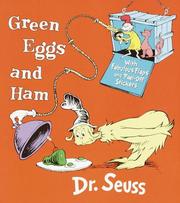
by Dr. Seuss
“Epstein calls this the "green eggs and ham effect," named for Dr. Seuss writing a children's book under a 50-word vocabulary constraint, which forced rhythmic experimentation and produced a landmark work.”
More from The Rich Roll Podcast
We summarize every new episode. Want them in your inbox?
If I Can, I Will: William Goodge On Running 50 Marathons In 50 States In 24 Days
Life's A Fight. Don’t Let It Break You: Dolph Lundgren On Trauma, Stardom & Cancer
Olympic Medalist Jenny Simpson On Her Sudden Cardiac Arrest After A Race & The Journey Back To Health
From Drinking Every Morning to Running 340 Miles: Tommie Runz on Recovery, Running & Redemption
Hunter Biden Is Out Of Secrets: A Story of Recovery, Exposure & Amends
Similar Episodes
Related episodes from other podcasts

The School of Greatness
May 25
The Science of Doing Less to Achieve More | David Epstein

Masters of Scale
May 14
Author David Epstein on why constraints fuel innovation

We Study Billionaires
May 10
RWH068: How to Be Better in Work & Life w/ David Epstein

Modern Wisdom
Jul 9
Why You Feel Overwhelmed All The Time (and how to fix it) - David Epstein - #1121

The Jordan Harbinger Show
Jun 16
1345: David Epstein | How Constraints Make Us Better
Explore Related Topics
This podcast is featured in Best Health Podcasts (2026) — ranked and reviewed with AI summaries.
Read this week's Health & Longevity Podcast Insights — cross-podcast analysis updated weekly.
You're clearly into The Rich Roll Podcast.
Every Monday, we deliver AI summaries of the latest episodes from The Rich Roll Podcast and 192+ other podcasts. Free for one show.
Start My Monday DigestNo credit card · Unsubscribe anytime