The Compass vs The Clock: Why Values Beat Tasks
Episode
10 min
Read time
2 min
Topics
Productivity, Relationships, Leadership
AI-Generated Summary
Key Takeaways
- ✓Compass vs. Clock Framework: Productivity failure stems not from poor time management but from misaligned direction. Scott Young's framework distinguishes clock thinking (speed, scheduling) from compass thinking (priorities, values). High performers feel hollow after busy weeks because they optimize pace without verifying they're heading toward meaningful goals.
- ✓Efficiency vs. Effectiveness Test: Before optimizing any task, ask whether it's the right task entirely. Stephen Covey's First Things First identifies the trap of urgent-but-unimportant work consuming time meant for high-value priorities. A 60-hour admin week with zero family time signals misalignment regardless of output volume.
- ✓Five Whys Values Trace: Apply five sequential "why" questions to any recurring task to connect it to a core value. Example: updating a quarterly spreadsheet traces through team progress
What It Covers
Host Tam explores why high performers feel unproductive despite completing tasks, introducing a values-based weekly review framework that shifts focus from clock-driven efficiency to compass-driven effectiveness using Scott Young's compass-versus-clock distinction.
Key Questions Answered
- •Compass vs. Clock Framework: Productivity failure stems not from poor time management but from misaligned direction. Scott Young's framework distinguishes clock thinking (speed, scheduling) from compass thinking (priorities, values). High performers feel hollow after busy weeks because they optimize pace without verifying they're heading toward meaningful goals.
- •Efficiency vs. Effectiveness Test: Before optimizing any task, ask whether it's the right task entirely. Stephen Covey's First Things First identifies the trap of urgent-but-unimportant work consuming time meant for high-value priorities. A 60-hour admin week with zero family time signals misalignment regardless of output volume.
- •Five Whys Values Trace: Apply five sequential "why" questions to any recurring task to connect it to a core value. Example: updating a quarterly spreadsheet traces through team progress
Notable Moment
The host spent a decade avoiding television, believing rest equaled failure — a mindset inherited from refugee parents working six-day weeks. Reframing rest as a core value for sustaining high-quality work reversed that guilt entirely.

You just read a 3-minute summary of a 7-minute episode.
Get The Productivity Show summarized like this every Monday — plus up to 2 more podcasts, free.
Pick Your Podcasts — FreeKeep Reading
More from The Productivity Show
Stop Consuming Productivity Tips and Start Using Them
Sep 9 · 10 min

Modern Wisdom
Why Everyone Is Drowning In Debt (and how to get out) - Caleb Hammer - #1123
Jul 13
More from The Productivity Show
The Music That Rewires Your Focus w/ Dan Clark from Brain.fm (TPS629)
Sep 7 · 43 min

How I AI
GPT-5.6 Sol vs. Claude Fable: Why OpenAI’s new model crushes my benchmark
Jul 9
Books, tools, and gear mentioned in this episode
SignalCast may earn commission on purchases via these links. As an Amazon Associate, SignalCast earns from qualifying purchases.
Books
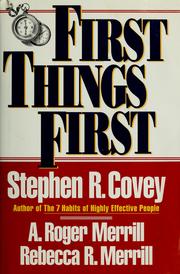 First Things FirstRecommended
by Stephen Covey
“Stephen Covey's First Things First identifies the trap of urgent-but-unimportant work consuming time meant for high-value priorities.”
Tools
More from The Productivity Show
We summarize every new episode. Want them in your inbox?
Stop Consuming Productivity Tips and Start Using Them
The Music That Rewires Your Focus w/ Dan Clark from Brain.fm (TPS629)
Why Your Productivity System Keeps Failing You
The Workflow Friction Audit: Find and Remove the Hidden Drains in Your Day (TPS628)
Why Your Calendar Breaks by 10 AM (And What to Do Instead)
Similar Episodes
Related episodes from other podcasts

Modern Wisdom
Jul 13
Why Everyone Is Drowning In Debt (and how to get out) - Caleb Hammer - #1123

How I AI
Jul 9
GPT-5.6 Sol vs. Claude Fable: Why OpenAI’s new model crushes my benchmark

The School of Greatness
May 11
Stop Living by Your Preferences and Start Living Your Vision | Brendon Burchard

All-In with Chamath, Jason, Sacks & Friedberg
Apr 17
OpenAI's Identity Crisis, Datacenter Wars, Market Up on Iran News, Mamdani's First Tax, Swalwell Out

We Study Billionaires
Sep 6
TIP844: Uber (UBER): The Autonomy Referendum — Is Mr. Market Completely Wrong? w/ Daniel Mahncke & Shawn O’Malley
Explore Related Topics
This podcast is featured in Best Mindset Podcasts (2026) — ranked and reviewed with AI summaries.
You're clearly into The Productivity Show.
Every Monday, we deliver AI summaries of the latest episodes from The Productivity Show and 192+ other podcasts. Free for one show.
Start My Monday DigestNo credit card · Unsubscribe anytime