The 24-Hour Turnaround to Get Your Life Back on Track
Episode
62 min
Read time
3 min
Topics
Productivity, Health & Wellness, Psychology & Behavior
AI-Generated Summary
Key Takeaways
- ✓Brain Dump Method: Write everything cluttering your mind onto paper, then cross off items not happening today and circle one priority task. This technique leverages the Zeigarnik effect, which shows the brain holds incomplete tasks more strongly than completed ones. Making a clear plan or completing tasks reduces mental drain and intrusive thoughts, creating immediate psychological relief and focus.
- ✓Physical Clutter Clearing: Spend five minutes tidying one small space like a nightstand, car interior, or desk surface. Yale research published in Neuron demonstrates that visual clutter forces the brain to work harder processing information, creating mental noise. A 2025 Journal of Environmental Psychology study of 500-plus adults found cluttered homes correlate with increased irritability, stress, and lower life satisfaction.
- ✓Intentional Movement Protocol: Move your body for five minutes specifically to change emotional state, not to reach a destination. Movement shifts the nervous system out of stress mode and changes brain chemistry. A 2025 meta-analysis in Frontiers in Psychology confirms physical activity regulates stress and emotion, while British Journal of Sports Medicine research shows movement improves focus, memory, planning, and decision-making throughout the day.
- ✓Tomorrow Preparation Strategy: Complete one task tonight that removes friction from tomorrow morning, such as laying out clothes, packing bags, setting up coffee, or doing dishes. James Clear's research on habit formation shows the biggest predictor of follow-through is not discipline but how easy the behavior is to start. Behavior follows the path of least resistance, making preparation critical for success.
- ✓Win Recognition Practice: Before sleep, identify what went well today and why it went well. Doctor Martin Seligman's foundational positive psychology research at University of Pennsylvania showed participants who wrote down three good things nightly experienced increased happiness and decreased sadness for months after the exercise ended. This trains the reticular activating system to notice progress instead of scanning for problems.
What It Covers
Mel Robbins presents a science-backed five-step protocol to reset when life feels overwhelming. The 24-hour turnaround includes clearing mental and physical clutter, intentional movement, preparing for tomorrow, and claiming daily wins. Each step takes five to ten minutes and creates momentum through small, achievable actions that shift emotional states and restore control.
Key Questions Answered
- •Brain Dump Method: Write everything cluttering your mind onto paper, then cross off items not happening today and circle one priority task. This technique leverages the Zeigarnik effect, which shows the brain holds incomplete tasks more strongly than completed ones. Making a clear plan or completing tasks reduces mental drain and intrusive thoughts, creating immediate psychological relief and focus.
- •Physical Clutter Clearing: Spend five minutes tidying one small space like a nightstand, car interior, or desk surface. Yale research published in Neuron demonstrates that visual clutter forces the brain to work harder processing information, creating mental noise. A 2025 Journal of Environmental Psychology study of 500-plus adults found cluttered homes correlate with increased irritability, stress, and lower life satisfaction.
- •Intentional Movement Protocol: Move your body for five minutes specifically to change emotional state, not to reach a destination. Movement shifts the nervous system out of stress mode and changes brain chemistry. A 2025 meta-analysis in Frontiers in Psychology confirms physical activity regulates stress and emotion, while British Journal of Sports Medicine research shows movement improves focus, memory, planning, and decision-making throughout the day.
- •Tomorrow Preparation Strategy: Complete one task tonight that removes friction from tomorrow morning, such as laying out clothes, packing bags, setting up coffee, or doing dishes. James Clear's research on habit formation shows the biggest predictor of follow-through is not discipline but how easy the behavior is to start. Behavior follows the path of least resistance, making preparation critical for success.
- •Win Recognition Practice: Before sleep, identify what went well today and why it went well. Doctor Martin Seligman's foundational positive psychology research at University of Pennsylvania showed participants who wrote down three good things nightly experienced increased happiness and decreased sadness for months after the exercise ended. This trains the reticular activating system to notice progress instead of scanning for problems.
- •Compound Reset Effect: These five steps work together because they create quick wins that build momentum and self-trust. Each action sends evidence to the brain that you follow through and can move forward. Confidence comes from evidence, not motivation or affirmations. The protocol can be repeated whenever feeling stuck, without waiting for Monday, new months, or feeling ready to begin.
Notable Moment
Robbins describes unpacking a suitcase that sat untouched for a week, then spending two hours at 9 PM organizing her entire closet while her husband slept. She arranged shirts by length, separated work clothes, and lined up shoes. Walking into the organized space the next morning created a transformative shift from overwhelm to feeling capable of handling anything.
Episode Transcript
Hey. It's your friend, Mel, and welcome to the Mel Robbins podcast. Today, I'm gonna show you something amazing. I'm gonna show you how to turn things around in the next twenty four hours, how you can go from having the kind of day where you just wanna pull the sheets up over your head to having a day that energizes you, that helps you get things done, boosts your confidence, makes you happier and more present. Do You ever notice that somehow, some days, it seems like you miss one workout, and next thing you know, you've missed a whole week at the gym? Or you see your kitchen, it's so messy, and simply having a full sink turns into, I just can't get my life together. What is wrong with me? One bad day turns into, screw it. I'm just gonna start over on Monday, maybe. Well, if any of this sounds familiar, hear me loud and clear. You can get back on track anytime you decide to. And today, I'm gonna show you how to turn things around by just following five simple steps. And I've got the research to back it up. And don't worry. This is not some, like, thirty day complicated challenge. Nope. We're not gonna add that to the list. These are just five simple things that you and I can do in the next twenty four hours. Five small moves that you can make over the course of a day that will pick you up and make you feel in control again. You might even feel like a new you. These five things that you're gonna learn, they work because they create these quick little wins that make you feel like you're moving forward again. So if you're feeling overwhelmed, you're feeling behind, if you feel like you've blown it good, you're in the right place. What do you say you and I turn things around? Hey. It's your friend, Mel, and welcome to the Mel Robbins podcast. I am so excited that you're here. It is such an honor to spend time together with you. And if you're a new listener or you're here because somebody shared this episode with you, I wanna personally welcome you to the Mel Robbins podcast family. And boy, oh, boy, is today's conversation gonna be a good one. Because today, you are getting the 24 turnaround to get back on track, and it's all backed by science. Because let's be honest with each other, when you're feeling off or you're stuck or life is so overwhelming that you're not sure how you're gonna dig out and feel like yourself again, a quick turnaround is exactly what you need. And before you and I get into it, because I'm gonna explain how to do this quick turnaround, I wanna say something that you need to hear right at the top of our conversation. It is normal to have off days. It's normal to wake up and …
Get the full transcript (10,788 words) + summary by email — free
One-time email with the complete transcript and AI summary of this episode. No account needed.
One email, no spam. We’ll also show you what SignalCast does.

You just read a 3-minute summary of a 59-minute episode.
Get The Mel Robbins Podcast summarized like this every Monday — plus up to 2 more podcasts, free.
Pick Your Podcasts — FreeKeep Reading
More from The Mel Robbins Podcast
How to Unlock Your Full Potential with #1 Professor Adam Grant
Oct 22 · 79 min

On Purpose with Jay Shetty
6-Step Science-Backed Morning Reset (Boost Focus, Lower Stress & Improve Your Mood All Day!)
Mar 6
More from The Mel Robbins Podcast
Mayo Clinic Dermatologist: 5 Small Habits for Healthier, Younger, and Amazing Skin
Oct 19 · 89 min
On Purpose with Jay Shetty
How to Manifest REAL Love: What Actually Works! (According to Science)
Feb 13
Books, tools, and gear mentioned in this episode
SignalCast may earn commission on purchases via these links. As an Amazon Associate, SignalCast earns from qualifying purchases.
Books
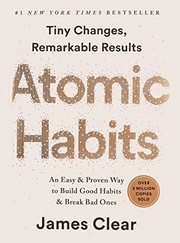
by James Clear
“James Clear's research on habit formation shows the biggest predictor of follow-through is not discipline but how easy the behavior is to start.”
More from The Mel Robbins Podcast
We summarize every new episode. Want them in your inbox?
How to Unlock Your Full Potential with #1 Professor Adam Grant
Mayo Clinic Dermatologist: 5 Small Habits for Healthier, Younger, and Amazing Skin
This One Skill Makes Every Relationship Better
Reinvent Yourself At Any Age: Ina Garten Shares the Secret to Transforming Your Life
#1 Neuroscientist: After Listening to This, Your Brain Will Not Be the Same
Similar Episodes
Related episodes from other podcasts

On Purpose with Jay Shetty
Mar 6
6-Step Science-Backed Morning Reset (Boost Focus, Lower Stress & Improve Your Mood All Day!)
On Purpose with Jay Shetty
Feb 13
How to Manifest REAL Love: What Actually Works! (According to Science)

The Model Health Show
Dec 31
The Top 3 Ways to Lose Fat FAST and Get in the Best Shape of Your Life This Year!

The Diary of a CEO
Oct 15
Phone Addiction Scientist: Doing This Gives You An Hour Back Every Day! | Dr Sahar Yousef

Huberman Lab
Sep 24
Essentials: Optimal Protocols to Build Strength & Grow Muscles | Dr. Andy Galpin
Explore Related Topics
This podcast is featured in Best Mindset Podcasts (2026) — ranked and reviewed with AI summaries.
Read this week's Health & Longevity Podcast Insights — cross-podcast analysis updated weekly.
You're clearly into The Mel Robbins Podcast.
Every Monday, we deliver AI summaries of the latest episodes from The Mel Robbins Podcast and 192+ other podcasts. Free for one show.
Start My Monday DigestNo credit card · Unsubscribe anytime