Addiction, motherhood and Jesus with writer Anne Lamott
Episode
50 min
Read time
2 min
Topics
Productivity, Health & Wellness, Relationships
AI-Generated Summary
Key Takeaways
- ✓Writing process — "bird by bird" method: Break overwhelming creative projects into the smallest possible unit of focus. Lamott's father gave this advice to her brother facing a school paper on birds: study one species, write about it briefly in your own voice, then move to the next. Applied to any writing project, this prevents paralysis and produces forward momentum one paragraph at a time.
- ✓Releasing control — the "whatever / oh well" framework: A recovery mentor taught Lamott to start each morning saying "whatever" and end each night saying "oh well," practicing radical acceptance in between through service, nature walks, and simplicity. Lamott identifies this as a direct antidote to the American cultural default of "forward thrust," which she argues exhausts people without actually filling them up.
- ✓Helping loved ones through addiction: Lamott's son Sam relapsed after a months-long residential program at 14 and remained in active addiction into young adulthood. Her turning point was removing him from her home, refusing to bail him out of jail, and detaching the "rusted fishhook" of codependency from her chest. He reached 13 years of sobriety only after she stopped intervening.
- ✓Faith as a practical tool, not doctrine: Lamott describes grace as a force that meets you exactly where you are but does not leave you there. She frames it as accessible to non-religious people by defining God simply as "goodness" or "a loving animating intelligence." Her practical entry point: say "help," go outside, look up, and allow the reset that nature provides to restore perspective and humor.
- ✓Writing honestly about taboo experiences creates community: Lamott's first novel Hard Laughter, about her father's brain cancer, sold only 3,500 hardback copies, yet readers approached her personally to say the candor was a gift. She extended this to Operating Instructions, which named parental boredom and ambivalence openly. The pattern: naming what people experience but cannot say publicly generates deeper reader connection than polished, sanitized narratives.
What It Covers
Bestselling author Anne Lamott, in conversation with Manoush Zomorodi on TED Radio Hour, reflects on seven decades of life across addiction recovery (sober since July 7, 1986), single motherhood, Christian faith, grief, and writing craft, drawing from her essay collection Somehow: Thoughts on Love and her landmark guide Bird by Bird.
Key Questions Answered
- •Writing process — "bird by bird" method: Break overwhelming creative projects into the smallest possible unit of focus. Lamott's father gave this advice to her brother facing a school paper on birds: study one species, write about it briefly in your own voice, then move to the next. Applied to any writing project, this prevents paralysis and produces forward momentum one paragraph at a time.
- •Releasing control — the "whatever / oh well" framework: A recovery mentor taught Lamott to start each morning saying "whatever" and end each night saying "oh well," practicing radical acceptance in between through service, nature walks, and simplicity. Lamott identifies this as a direct antidote to the American cultural default of "forward thrust," which she argues exhausts people without actually filling them up.
- •Helping loved ones through addiction: Lamott's son Sam relapsed after a months-long residential program at 14 and remained in active addiction into young adulthood. Her turning point was removing him from her home, refusing to bail him out of jail, and detaching the "rusted fishhook" of codependency from her chest. He reached 13 years of sobriety only after she stopped intervening.
- •Faith as a practical tool, not doctrine: Lamott describes grace as a force that meets you exactly where you are but does not leave you there. She frames it as accessible to non-religious people by defining God simply as "goodness" or "a loving animating intelligence." Her practical entry point: say "help," go outside, look up, and allow the reset that nature provides to restore perspective and humor.
- •Writing honestly about taboo experiences creates community: Lamott's first novel Hard Laughter, about her father's brain cancer, sold only 3,500 hardback copies, yet readers approached her personally to say the candor was a gift. She extended this to Operating Instructions, which named parental boredom and ambivalence openly. The pattern: naming what people experience but cannot say publicly generates deeper reader connection than polished, sanitized narratives.
Notable Moment
Lamott recounts a dream set in Havana where she nearly shoots her late father's girlfriend, then instead cradles her. Upon waking, she realizes through a Jungian lens that the controlling, self-righteous figure in the dream was herself — dissolving 45 years of unresolved anger in a single night.
Episode Transcript
This message comes from US Bank. Simplify how you do business with Business Essentials, a powerful combination of no monthly maintenance fee checking and card payment processing. Deposit products are offered by US Bank National Association, member FDIC. This is the TED Radio Hour. Each week, groundbreaking TED Talks. Our job now is to dream big. Delivered at TED conferences To bring about the future we want to see. Around the world. To understand who we are. From those talks, we bring you speakers and ideas that will surprise you. You just don't know what you're gonna find. Challenge you. We truly have to ask ourselves, like, why is it noteworthy? And even change you. I literally feel like I'm a different person. Yes. Do you feel that way? Ideas worth spreading. From TED and NPR, I'm Manoush Zomorodi. In Northern California, in the fifties and early sixties, all fourth graders had to write their first research paper, and you have a whole semester to do it. One semester was about Sacramento, our capital, and one semester was about birds. This is best selling author Anne Lamott. So my older brother, who did not like school and was very bitter about any homework he was asked to do, had not started it. He'd had the whole semester, and it was due that Monday. So we were out at this one room cabin we had on the coast, and my dad was trying to help him. And they had photos of birds at the National Geographic. They had Roger Tory Peterson and Audubon. But my brother was crying because it was just such a daunting project. And my dad sat down next to him and put his arm around him and said, just take it bird by bird, buddy. Even though Anne was just nine years old at the time, her father's words stuck with her. That was the best writing advice I've ever heard, that you study about chickadees, and then you write about them for a little bit in your own voice. Then you illustrate them. Then you think about great blue herons, and you read what Audubon has to say, and then you put it in your own words. And you've really turned that into a metaphor for starting so many things in our lives. Everything. I mean, the American way is that you should always know what you're doing. You've made a decision, and you should stick with it. Mhmm. But the fact is that no writer knows what they're doing until they've done it. The way that you get to the miracle of writing is bird by bird. If you know Anne Lamott, you've heard this story before. If you don't, it's a great introduction to her because that phrase, bird by bird, is also the title of one of her best known books. Anne is the author of more than 20 books, mostly filled with her own memories of family, single parenting, addiction, faith and …
Get the full transcript (8,611 words) + summary by email — free
One-time email with the complete transcript and AI summary of this episode. No account needed.
One email, no spam. We’ll also show you what SignalCast does.

You just read a 3-minute summary of a 47-minute episode.
Get TED Radio Hour summarized like this every Monday — plus up to 2 more podcasts, free.
Pick Your Podcasts — FreeKeep Reading
More from TED Radio Hour
What this musician’s identity crisis teaches us about navigating change
Sep 11 · 50 min

10% Happier with Dan Harris
The Easy, Simple Fix for Exhaustion, Foggy Brain, and Back Pain | Manoush Zomorodi
May 6
More from TED Radio Hour
Less guilt, more joy: A new chapter for climate action
Sep 4 · 50 min

The Tim Ferriss Show
#878: How to Start When You're Stuck, Finish What You Begin, and Stop Waiting for Inspiration — Creative Advice from Elizabeth Gilbert, Seth Godin, Joyce Carol Oates, Anne Lamott and More
Aug 5
Books, tools, and gear mentioned in this episode
SignalCast may earn commission on purchases via these links. As an Amazon Associate, SignalCast earns from qualifying purchases.
Books
 Operating InstructionsBy guest
by Anne Lamott
“She extended this to Operating Instructions, which named parental boredom and ambivalence openly.”
 Somehow: Thoughts on LoveBy guest
by Anne Lamott
“drawing from her essay collection Somehow: Thoughts on Love and her landmark guide Bird by Bird.”
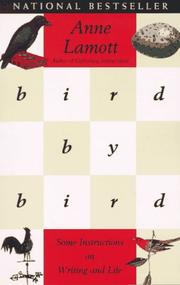 Bird by BirdBy guest
by Anne Lamott
“drawing from her essay collection Somehow: Thoughts on Love and her landmark guide Bird by Bird.”
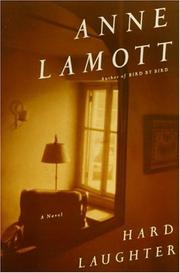 Hard LaughterBy guest
by Anne Lamott
“Lamott's first novel Hard Laughter, about her father's brain cancer, sold only 3,500 hardback copies, yet readers approached her personally to say the candor was a gift.”
More from TED Radio Hour
We summarize every new episode. Want them in your inbox?
What this musician’s identity crisis teaches us about navigating change
Less guilt, more joy: A new chapter for climate action
The day the dinosaurs died
How the creator economy is making you talk like the internet
The price of creativity
Similar Episodes
Related episodes from other podcasts

10% Happier with Dan Harris
May 6
The Easy, Simple Fix for Exhaustion, Foggy Brain, and Back Pain | Manoush Zomorodi

The Tim Ferriss Show
Aug 5
#878: How to Start When You're Stuck, Finish What You Begin, and Stop Waiting for Inspiration — Creative Advice from Elizabeth Gilbert, Seth Godin, Joyce Carol Oates, Anne Lamott and More

Up First (NPR)
May 31
How 5 minutes of movement can change your life
The Tim Ferriss Show
May 28
#867: Dr. Becky Kennedy — Parenting Strategies for Raising Resilient Kids, Plus Word-for-Word Scripts for Repairing Relationships, Setting Boundaries, and More (Repost)

WorkLife with Adam Grant
May 26
What to do when your industry keeps changing with Manoush Zomorodi
Explore Related Topics
This podcast is featured in Best Science Podcasts (2026) — ranked and reviewed with AI summaries.
Read this week's Health & Longevity Podcast Insights — cross-podcast analysis updated weekly.
You're clearly into TED Radio Hour.
Every Monday, we deliver AI summaries of the latest episodes from TED Radio Hour and 192+ other podcasts. Free for one show.
Start My Monday DigestNo credit card · Unsubscribe anytime