How To Live a Meaningful Life Using Design Thinking | 104
Episode
82 min
Read time
2 min
Topics
Career Growth, Productivity, Health & Wellness
AI-Generated Summary
Key Takeaways
- ✓College Success Formula: Research from Pew and UCLA identifies two essential ingredients for flourishing post-college life: having a mentor who cares about your journey and experiences connecting classroom learning to real-world application. Less than 5% of college students report having both elements, yet these predict long-term success across financial and social measures.
- ✓Multiple Life Paths Exercise: The Odyssey Plan requires creating three completely different five-year life scenarios: continuing current path, plan B if circumstances change, and a version ignoring money and social status. This exercise reveals that people contain more aliveness than one lifetime permits, eliminating the myth of finding one "right answer" for your life.
- ✓Novel Ideation Doubles: Students who complete the life design class demonstrate quantifiable improvement in creative thinking. Research by Lindsay Oishi shows participants double their ability to generate novel ideas and develop career self-efficacy, believing they can design careers they want and adapt when circumstances change, while reducing dysfunctional beliefs about career paths.
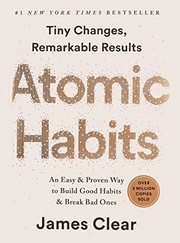
- ✓Book Launch Flywheel: James Clear's Atomic Habits success stems from embedding four to five resource links throughout the book that require email opt-ins. This tags readers in email systems, enables segmentation by star rating, and creates a flywheel where five-star readers receive review requests while one-to-four-star readers provide feedback, protecting Amazon rankings while mobilizing superfans.
- ✓Impact Versus Fulfillment: Most people define meaningful life solely through making impact, which creates problems because outcomes depend on factors beyond individual control and success becomes temporary. The new framework adds wonder, flow, coherence with values, and formative community as equally valid sources of meaning that individuals can access regardless of external circumstances or achievements.
What It Covers
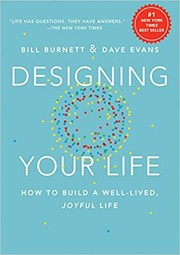
Stanford design professors Bill Burnett and Dave Evans discuss their book "Designing Your Life," which sold over one million copies, and reveal their framework for applying design thinking to career decisions, meaning-making, and their strategy to reach 10 million people with their new book.
Key Questions Answered
- •College Success Formula: Research from Pew and UCLA identifies two essential ingredients for flourishing post-college life: having a mentor who cares about your journey and experiences connecting classroom learning to real-world application. Less than 5% of college students report having both elements, yet these predict long-term success across financial and social measures.
- •Multiple Life Paths Exercise: The Odyssey Plan requires creating three completely different five-year life scenarios: continuing current path, plan B if circumstances change, and a version ignoring money and social status. This exercise reveals that people contain more aliveness than one lifetime permits, eliminating the myth of finding one "right answer" for your life.
- •Novel Ideation Doubles: Students who complete the life design class demonstrate quantifiable improvement in creative thinking. Research by Lindsay Oishi shows participants double their ability to generate novel ideas and develop career self-efficacy, believing they can design careers they want and adapt when circumstances change, while reducing dysfunctional beliefs about career paths.
- •Book Launch Flywheel: James Clear's Atomic Habits success stems from embedding four to five resource links throughout the book that require email opt-ins. This tags readers in email systems, enables segmentation by star rating, and creates a flywheel where five-star readers receive review requests while one-to-four-star readers provide feedback, protecting Amazon rankings while mobilizing superfans.
- •Impact Versus Fulfillment: Most people define meaningful life solely through making impact, which creates problems because outcomes depend on factors beyond individual control and success becomes temporary. The new framework adds wonder, flow, coherence with values, and formative community as equally valid sources of meaning that individuals can access regardless of external circumstances or achievements.
Notable Moment
Burnett reveals his best manager taught him that people never remember what you said, only how you made them feel. This principle transferred from toy design in Cincinnati to teaching at Stanford, fundamentally shifting his approach from managing content to managing authentic connection and emotional experience with students.
Episode Transcript
If you could design your life the way a great product gets built? That's the premise behind Designing Your Life, the best selling book by Stanford design professors Bill Burnett and Dave Evans. It's helped millions rethink how they approach work, joy, and meaning. Bill and Dave didn't plan to become authors. Their framework struck a chord and grew far beyond the classroom, impacting how people think about their career and purpose across generations and industries. In the first half of this episode, we dive into that story. You'll hear how it all started, what surprised them along the way, and some of the most thought provoking insights from decades of helping people design better lives. Then we get tactical. Their next book, How to Live a Meaningful Life, they want to reach 10,000,000 people. And so in the second half, we break down what actually works for distribution, getting press coverage, and the practical mechanics of moving books at scale. Getting to sit down with Bill and Dave was really special for me because my first career was as a designer. And so they were the people who actually got to work on products like the Lisa and the original mouse at Apple and these other companies that really defined generations of design. And so being able to talk to them both about design, but also how they use design thinking to influence every part of their life was just very, very special for me. Before we dive in, just a quick heads up. This episode is audio only. We had some unexpected studio issues that took out the video recording. Now this is an episode that I absolutely loved. So even though it's just audio, I'd encourage you to stay tuned, enjoy the conversation because I think you're really gonna like it. Bill, Dave, welcome to the show. Good to be here. Thanks for having us, Nathan. Yeah. Thank you. Alright. So we were talking last night at dinner, and you said something that really stuck with me. And as I was driving home, I kept thinking about this. And it was that in order to have a meaningful, fulfilled college experience that, like, goes on to a meaningful life, there's really two ingredients that are essential. Can you say what those are? Yes. The Pew Research at a long study UCLA looking at g I mean, is college really worth it? That's a big question these days. As a college dropout, I'm curious about it. Yeah. Does college correlate to life working? So they've looked at flourishing post college life five, ten, fifteen years out of long term, bunch of different indices they track, financial, social, all kinds of things. And they found six items that mattered. And if you really look at that list hard, it's two. Okay. Those two things are, number one, have a connection with a a mentor, human being, a a faculty member, a staff member, you know, a residential life member …
Get the full transcript (17,286 words) + summary by email — free
One-time email with the complete transcript and AI summary of this episode. No account needed.
One email, no spam. We’ll also show you what SignalCast does.

You just read a 3-minute summary of a 79-minute episode.
Get The Nathan Barry Show summarized like this every Monday — plus up to 2 more podcasts, free.
Pick Your Podcasts — FreeKeep Reading
More from The Nathan Barry Show
Why Community Beats Followers (And How to Build One) | Jayson Gaignard | 151
Oct 22 · 87 min

The Mel Robbins Podcast
How to Live a Meaningful Life & Design the Future You Want
Feb 23
More from The Nathan Barry Show
AI Can't Copy This: Why Every Creator Needs an Origin Story in 2026 | Philip mckernan | 150
Oct 15 · 79 min

The Happiness Lab
How to Design a More Meaningful Life (with Dave Evans and Bill Burnett)
Feb 2
Books, tools, and gear mentioned in this episode
SignalCast may earn commission on purchases via these links. As an Amazon Associate, SignalCast earns from qualifying purchases.
Books
 Atomic HabitsRecommended
by James Clear
“James Clear's Atomic Habits success stems from embedding four to five resource links throughout the book that require email opt-ins. This tags readers in email systems, enables segmentation by star rating, and creates a flywheel where five-star readers receive review requests while one-to-four-star readers provide feedback, protecting Amazon rankings while mobilizing superfans.”
by Bill Burnett, Dave Evans
“Stanford design professors Bill Burnett and Dave Evans discuss their book "Designing Your Life," which sold over one million copies, and reveal their framework for applying design thinking to career decisions, meaning-making, and their strategy to reach 10 million people with their new book.”
More from The Nathan Barry Show
We summarize every new episode. Want them in your inbox?
Why Community Beats Followers (And How to Build One) | Jayson Gaignard | 151
AI Can't Copy This: Why Every Creator Needs an Origin Story in 2026 | Philip mckernan | 150
The #1 Way to Grow Your Audience in 2026 | Domonkos Eross | 149
How to Build an Unforgettable Personal Brand | Chris Do | 148
Forget Courses, Sell This in 2026 To Make 7 Figures | Jasmine Star | 147
Similar Episodes
Related episodes from other podcasts

The Mel Robbins Podcast
Feb 23
How to Live a Meaningful Life & Design the Future You Want

The Happiness Lab
Feb 2
How to Design a More Meaningful Life (with Dave Evans and Bill Burnett)
The Mel Robbins Podcast
Nov 3
3 Questions to Ask Yourself to Figure Out What You Really Want

The Prof G Pod
Sep 10
Why “Follow Your Passion” Is Bad Advice — with Bill Burnett and Dave Evans

The Rich Roll Podcast
Mar 16
Stanford Professors Bill Burnett & Dave Evans On How To Design A Meaningful Life
Explore Related Topics
This podcast is featured in Best Startup Podcasts (2026) — ranked and reviewed with AI summaries.
Read this week's Health & Longevity Podcast Insights — cross-podcast analysis updated weekly.
You're clearly into The Nathan Barry Show.
Every Monday, we deliver AI summaries of the latest episodes from The Nathan Barry Show and 192+ other podcasts. Free for one show.
Start My Monday DigestNo credit card · Unsubscribe anytime