#463 – Douglas Murray: Putin, Zelenskyy, Trump, Israel, Netanyahu, Hamas & Gaza
Episode
196 min
Read time
2 min
Topics
Relationships, Investing, Fundraising & VC
AI-Generated Summary
Key Takeaways
- ✓Ukraine Intelligence Failure: Israel's October 7 catastrophe mirrors potential Ukraine vulnerabilities—observation posts reported Hamas training maneuvers for weeks before the attack but were ignored by senior commanders who claimed such warnings occurred constantly, demonstrating how intelligence saturation creates blind spots in conflict zones.
- ✓Peace Negotiation Timing: Successful ceasefires require negotiating from strength, but this creates a paradox—Ukraine had two optimal moments in 2022 (after defending Kyiv and retaking Kherson) when military success made leaders reluctant to negotiate, believing victory was achievable, ultimately missing peace opportunities that won't return.
- ✓Hamas Governance Strategy: Hamas spent eighteen years post-2005 Israeli withdrawal building tunnel infrastructure and radicalizing Gaza's population rather than creating prosperity—every second or third house contained weapons, RPGs, or tunnel entrances, with leadership becoming billionaires while using international aid to militarize rather than develop civilian infrastructure.
- ✓Wartime Leadership Paradox: Leaders who successfully mobilize nations during war rarely possess skills for peace negotiations—having witnessed extreme suffering makes compromise feel like betrayal, while outsiders from "the land of peace" can propose solutions but lack moral authority to demand forgiveness from those in "the land of war."
- ✓Economic Deterrence Limits: Norman Angell's pre-WWI theory that economic interdependence prevents war failed then and remains unreliable now—while economic partnerships create pressure for peace, they cannot deter leaders motivated by ideology, territorial ambition, or religious extremism over rational economic calculation, as demonstrated by Russia's Ukraine invasion despite costs.
What It Covers
Douglas Murray discusses the wars in Ukraine and Gaza, examining Putin's invasion motivations, Israel's October 7 response, Hamas ideology, peace negotiation challenges, and how Western discourse struggles with assigning responsibility in complex conflicts involving democracies versus authoritarian regimes.
Key Questions Answered
- •Ukraine Intelligence Failure: Israel's October 7 catastrophe mirrors potential Ukraine vulnerabilities—observation posts reported Hamas training maneuvers for weeks before the attack but were ignored by senior commanders who claimed such warnings occurred constantly, demonstrating how intelligence saturation creates blind spots in conflict zones.
- •Peace Negotiation Timing: Successful ceasefires require negotiating from strength, but this creates a paradox—Ukraine had two optimal moments in 2022 (after defending Kyiv and retaking Kherson) when military success made leaders reluctant to negotiate, believing victory was achievable, ultimately missing peace opportunities that won't return.
- •Hamas Governance Strategy: Hamas spent eighteen years post-2005 Israeli withdrawal building tunnel infrastructure and radicalizing Gaza's population rather than creating prosperity—every second or third house contained weapons, RPGs, or tunnel entrances, with leadership becoming billionaires while using international aid to militarize rather than develop civilian infrastructure.
- •Wartime Leadership Paradox: Leaders who successfully mobilize nations during war rarely possess skills for peace negotiations—having witnessed extreme suffering makes compromise feel like betrayal, while outsiders from "the land of peace" can propose solutions but lack moral authority to demand forgiveness from those in "the land of war."
- •Economic Deterrence Limits: Norman Angell's pre-WWI theory that economic interdependence prevents war failed then and remains unreliable now—while economic partnerships create pressure for peace, they cannot deter leaders motivated by ideology, territorial ambition, or religious extremism over rational economic calculation, as demonstrated by Russia's Ukraine invasion despite costs.
Notable Moment
Murray describes interviewing Ukrainian children who escaped Russian-occupied territories, where schools teach only Putin's version of history and summer camps became kidnapping operations—approximately 20,000 Ukrainian children were stolen this way, yet the story received minimal international attention compared to Nigeria's Chibok schoolgirls, possibly because Ukraine feared publicizing hostages would strengthen Russia's negotiating leverage.
No transcript yet — request it by email, free
We'll transcribe this episode on request and email you the full transcript and AI summary — usually within a day. No account needed.
One email, no spam. We’ll also show you what SignalCast does.

You just read a 3-minute summary of a 193-minute episode.
Get Lex Fridman Podcast summarized like this every Monday — plus up to 2 more podcasts, free.
Pick Your Podcasts — FreeKeep Reading
More from Lex Fridman Podcast
#501 – DHH: Future of Programming, AI, Agentic Engineering, Vibe Coding & Linux
Aug 26 · 321 min

Making Sense
#410 — The Whole Catastrophe
Apr 20
More from Lex Fridman Podcast
#500 – Khabib Nurmagomedov: Dagestan, MMA, UFC, Islam, Conor, Fedor & Football
Aug 12

The Prof G Pod
The New Rules of Power — with Anne Applebaum and Fiona Hill
Jun 11
Books, tools, and gear mentioned in this episode
SignalCast may earn commission on purchases via these links. As an Amazon Associate, SignalCast earns from qualifying purchases.
Books
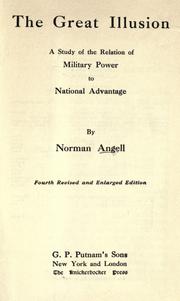
by Norman Angell
“Norman Angell's pre-WWI theory that economic interdependence prevents war failed then and remains unreliable now—while economic partnerships create pressure for peace, they cannot deter leaders motivated by ideology, territorial ambition, or religious extremism over rational economic calculation”
More from Lex Fridman Podcast
We summarize every new episode. Want them in your inbox?
#501 – DHH: Future of Programming, AI, Agentic Engineering, Vibe Coding & Linux
#500 – Khabib Nurmagomedov: Dagestan, MMA, UFC, Islam, Conor, Fedor & Football
#499 – Gary Gallagher: American Civil War, Slavery, Lincoln, Grant & Lee
#498 – Anthony Kaldellis: Roman Empire, Byzantine Empire, Rise & Fall of Empires
#497 – Biggest Mysteries in Physics: Antimatter, Dark Energy & ToE – Don Lincoln
Similar Episodes
Related episodes from other podcasts

Making Sense
Apr 20
#410 — The Whole Catastrophe

The Prof G Pod
Jun 11
The New Rules of Power — with Anne Applebaum and Fiona Hill

Up First (NPR)
Dec 30
Trump Pushes Hamas Disarmament, Ukraine Peace Talks, A Year Of DOGE

The Ezra Klein Show
Jun 3
The Emergent Trump Doctrine

Cognitive Revolution
Aug 28
AI:AM Highlights: Recursive Self-Improvement, Rushed and Vibe-Coded?
Explore Related Topics
This podcast is featured in Best Tech Podcasts (2026) — ranked and reviewed with AI summaries.
Read this week's Investing & Markets Podcast Insights — cross-podcast analysis updated weekly.
You're clearly into Lex Fridman Podcast.
Every Monday, we deliver AI summaries of the latest episodes from Lex Fridman Podcast and 192+ other podcasts. Free for one show.
Start My Monday DigestNo credit card · Unsubscribe anytime