#448 – Jordan Peterson: Nietzsche, Hitler, God, Psychopathy, Suffering & Meaning
Episode
150 min
Read time
2 min
Topics
Productivity, Remote Work, Leadership
AI-Generated Summary
Key Takeaways
- ✓Nietzsche's Writing Density: Nietzsche condensed ideas into aphoristic style due to illness, creating writings where virtually every sentence merits analysis. Beyond Good and Evil exemplifies this density where marking meaningful passages becomes impossible because every page contains novel insights worth remembering and revisiting.
- ✓Communism's Computational Failure: Communist central planning fails because complex social interactions require distributed cognitive networks, not centralized authority. Soviet planners made 200 pricing decisions daily, an impossible task since proper pricing requires aggregated individual choices across millions of actors to emerge organically through market mechanisms.
- ✓Abraham's Covenant Structure: The Abrahamic narrative presents adventure as divine calling with specific promises: personal blessing, valid social esteem, establishment of lasting value, and maximal benefit to others. This framework suggests developmental instinct aligns with psychological stability, social hierarchy advancement, iterability, and collective benefit simultaneously.
- ✓Psychopathy Detection Limits: Robert Hare, who established clinical psychopathy assessment, found that violent psychopaths consistently deceived him during in-person interviews despite his expertise. Only video review revealed manipulation tactics, demonstrating that psychopathic social skills exceed real-time detection abilities even among trained specialists.
- ✓Male Status-Reproduction Correlation: The correlation between male social status and reproductive success measures approximately 0.6, exceeding the correlation between intelligence and academic achievement. This represents the largest correlation between independent phenomena in social science literature, explaining why adventure and competence development precede romantic success.
What It Covers
Jordan Peterson explores Nietzsche's philosophy, the nature of religious versus communist thought, the psychology of meaning and sacrifice, characteristics of psychopathy, and how foundational narratives scale across cultures and time to provide psychological stability and direction.
Key Questions Answered
- •Nietzsche's Writing Density: Nietzsche condensed ideas into aphoristic style due to illness, creating writings where virtually every sentence merits analysis. Beyond Good and Evil exemplifies this density where marking meaningful passages becomes impossible because every page contains novel insights worth remembering and revisiting.
- •Communism's Computational Failure: Communist central planning fails because complex social interactions require distributed cognitive networks, not centralized authority. Soviet planners made 200 pricing decisions daily, an impossible task since proper pricing requires aggregated individual choices across millions of actors to emerge organically through market mechanisms.
- •Abraham's Covenant Structure: The Abrahamic narrative presents adventure as divine calling with specific promises: personal blessing, valid social esteem, establishment of lasting value, and maximal benefit to others. This framework suggests developmental instinct aligns with psychological stability, social hierarchy advancement, iterability, and collective benefit simultaneously.
- •Psychopathy Detection Limits: Robert Hare, who established clinical psychopathy assessment, found that violent psychopaths consistently deceived him during in-person interviews despite his expertise. Only video review revealed manipulation tactics, demonstrating that psychopathic social skills exceed real-time detection abilities even among trained specialists.
- •Male Status-Reproduction Correlation: The correlation between male social status and reproductive success measures approximately 0.6, exceeding the correlation between intelligence and academic achievement. This represents the largest correlation between independent phenomena in social science literature, explaining why adventure and competence development precede romantic success.
Notable Moment
Peterson describes how his father maintained extremely high standards that felt impossible to meet during childhood, yet he recognized the approval was achievable rather than arbitrary. This optimal challenge level, reached around age 40, demonstrates how proper parental expectations keep children at their developmental edge without crossing into unpredictable harshness.
No transcript yet — request it by email, free
We'll transcribe this episode on request and email you the full transcript and AI summary — usually within a day. No account needed.
One email, no spam. We’ll also show you what SignalCast does.

You just read a 3-minute summary of a 147-minute episode.
Get Lex Fridman Podcast summarized like this every Monday — plus up to 2 more podcasts, free.
Pick Your Podcasts — FreeKeep Reading
More from Lex Fridman Podcast
#501 – DHH: Future of Programming, AI, Agentic Engineering, Vibe Coding & Linux
Aug 26 · 321 min

The Jordan Harbinger Show
1331: Your Boyfriend's Wrath Is Blocking Your Path | Feedback Friday
May 22
More from Lex Fridman Podcast
#500 – Khabib Nurmagomedov: Dagestan, MMA, UFC, Islam, Conor, Fedor & Football
Aug 12

How to Take Over the World
Nietzsche and the Death of God (Part 1)
Sep 22
Books, tools, and gear mentioned in this episode
SignalCast may earn commission on purchases via these links. As an Amazon Associate, SignalCast earns from qualifying purchases.
Books
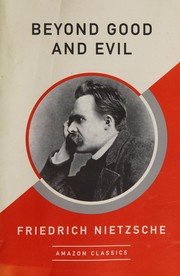
by Friedrich Nietzsche
“Beyond Good and Evil exemplifies this density where marking meaningful passages becomes impossible because every page contains novel insights worth remembering and revisiting.”
More from Lex Fridman Podcast
We summarize every new episode. Want them in your inbox?
#501 – DHH: Future of Programming, AI, Agentic Engineering, Vibe Coding & Linux
#500 – Khabib Nurmagomedov: Dagestan, MMA, UFC, Islam, Conor, Fedor & Football
#499 – Gary Gallagher: American Civil War, Slavery, Lincoln, Grant & Lee
#498 – Anthony Kaldellis: Roman Empire, Byzantine Empire, Rise & Fall of Empires
#497 – Biggest Mysteries in Physics: Antimatter, Dark Energy & ToE – Don Lincoln
Similar Episodes
Related episodes from other podcasts

The Jordan Harbinger Show
May 22
1331: Your Boyfriend's Wrath Is Blocking Your Path | Feedback Friday

How to Take Over the World
Sep 22
Nietzsche and the Death of God (Part 1)

Making Sense
Jun 6
#419 — "More From Sam": Elon vs. Trump, Religion, Jordan Peterson, & Rapid Fire Questions
The Jordan Harbinger Show
Aug 9
1366: Gut Health | Skeptical Sunday

Modern Wisdom
Jul 30
Why Almost Nobody Gets the Life They Want - Jett Franzen - #1130
Explore Related Topics
This podcast is featured in Best Tech Podcasts (2026) — ranked and reviewed with AI summaries.
You're clearly into Lex Fridman Podcast.
Every Monday, we deliver AI summaries of the latest episodes from Lex Fridman Podcast and 192+ other podcasts. Free for one show.
Start My Monday DigestNo credit card · Unsubscribe anytime