Mercantilism
Episode
57 min
Read time
2 min
Topics
Productivity, Personal Finance, Investing
AI-Generated Summary
Key Takeaways
- ✓Zero-sum trade philosophy: Mercantilists viewed trade as competitive warfare where one nation's gain required another's loss, leading countries to restrict imports and maximize exports even at the cost of domestic welfare, fundamentally misunderstanding gains from cooperation.
- ✓East India Company influence: Trading company directors like Thomas Mun and Josiah Child wrote mercantilist treatises defending their monopolies by arguing company profits equaled national interest, successfully aligning private merchant interests with crown policy for two centuries.
- ✓Navigation Acts protectionism: England mandated all colonial trade occur on British ships, growing the merchant fleet substantially while restricting competition. This pure protectionism combined trade policy with military enforcement to dominate Atlantic commerce and challenge Spanish silver dominance.
- ✓Fallacy of composition trap: Mercantilism persisted because household economics seemed to scale to nations—if saving more than spending benefits families, surely nations should export more than import. This intuitive but flawed reasoning made mercantilist policies politically popular despite economic inefficiency.
What It Covers
Mercantilism dominated European economic thinking from the sixteenth to eighteenth centuries, prioritizing exports over imports and state intervention. Adam Smith's 1776 Wealth of Nations critiqued and discredited this zero-sum trade philosophy.
Key Questions Answered
- •Zero-sum trade philosophy: Mercantilists viewed trade as competitive warfare where one nation's gain required another's loss, leading countries to restrict imports and maximize exports even at the cost of domestic welfare, fundamentally misunderstanding gains from cooperation.
- •East India Company influence: Trading company directors like Thomas Mun and Josiah Child wrote mercantilist treatises defending their monopolies by arguing company profits equaled national interest, successfully aligning private merchant interests with crown policy for two centuries.
- •Navigation Acts protectionism: England mandated all colonial trade occur on British ships, growing the merchant fleet substantially while restricting competition. This pure protectionism combined trade policy with military enforcement to dominate Atlantic commerce and challenge Spanish silver dominance.
- •Fallacy of composition trap: Mercantilism persisted because household economics seemed to scale to nations—if saving more than spending benefits families, surely nations should export more than import. This intuitive but flawed reasoning made mercantilist policies politically popular despite economic inefficiency.
Notable Moment
Adam Smith constructed mercantilism as a coherent ideology specifically to refute it, arguing the wealth of nations comes from labor and land productivity rather than royal treasure hoards, fundamentally reframing economic thinking away from state competition.
Episode Transcript
This BBC podcast is supported by ads outside The UK. Make their holiday unforgettable with a gift that says it all from Pandora Jewelry. A gift that tells a story and shows you know theirs. That doesn't just sparkle, but speaks. From new festive charms to forever rings and personal engravings. This season, give a gift that's perfectly theirs. Whether you're shopping for a shiny surprise for your significant other, matching bracelets to celebrate your friendship, or a heartfelt gift for a family member, say more this holiday season with Pandora. Shop now at pandora.net or visit your closest Pandora store. Start your journey toward the perfect engagement ring with Yadav, family owned and operated since 1983. We'll pair you with a dedicated expert for a personalized one on one experience. You'll explore our curated selection of diamonds and gemstones while learning key characteristics to help you make a confident, informed decision. Choose from our signature styles or opt for a fully custom design crafted around you. Visit yadavjewelry.com and book your appointment today at our new Union Square showroom and mention podcast for an exclusive discount. In California, BBC Sounds. Music, radio, podcasts. Thanks for downloading this episode of In Our Time. There's a reading list to go with it on our website, and you can get news about our programs if you follow us on Twitter at BBC In Our Time. I hope you enjoy the programs. Hello. Between the sixteenth and eighteenth centuries, Europe was dominated by an economic way of thinking called mercantilism. The key idea in mercantilism is that exports should be as high as possible and imports minimized. For more than three hundred years, almost every ruler and political thinker was a mercantilist. Eventually, Adam Smith, in his groundbreaking work, The Wealth of Nations, 1776, and other economists declared that it was a flawed concept, and it became discredited. However, a mechanicalist economic approach can still be found in modern times, and today's politicians sometimes still use rhetoric related to mechanicalism. With me to discuss mechanicalism are Damaris Kauffman, professor in economics and finance of the built environment at University College London, Craig Muldrew, professor of social and economic history at the University of Cambridge and a member of Queen's College, and Helen Paul, lecturer in economics and economic history at the University of Southampton. Helen, in general, what type of policies do governments implement when they pursue a capitalism? They try to restrict trade. So they do all kinds of things to increase exports and to decrease imports. And that could be setting up a regulatory body, like a board of trade. It could be something like tariffs. It could be simply banning the export of bullion. There are all sorts of things that they do to try to increase exports and decrease imports. But haven't they been doing that all their lives? What's new about this? Well, I think the focus is on trying to have a restriction on imports and not …
Get the full transcript (10,080 words) + summary by email — free
One-time email with the complete transcript and AI summary of this episode. No account needed.
One email, no spam. We’ll also show you what SignalCast does.

You just read a 3-minute summary of a 54-minute episode.
Get In Our Time summarized like this every Monday — plus up to 2 more podcasts, free.
Pick Your Podcasts — FreeKeep Reading


Books, tools, and gear mentioned in this episode
SignalCast may earn commission on purchases via these links. As an Amazon Associate, SignalCast earns from qualifying purchases.
Books
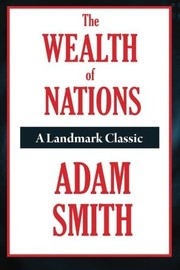 Wealth of NationsBy guest
by Adam Smith
“Adam Smith's 1776 Wealth of Nations critiqued and discredited this zero-sum trade philosophy.”
More from In Our Time
We summarize every new episode. Want them in your inbox?
Similar Episodes
Related episodes from other podcasts

Everything Everywhere Daily
Jul 3
The Wealth of Nations

Odd Lots
Oct 8
What Everyone Gets Wrong About the Economic Problems in Europe

The Jordan Harbinger Show
Sep 15
1382: Emad Mostaque | Surviving the Coming AI Jobs Apocalypse

David Senra
Aug 23
Sam Altman on Building OpenAI & Betting on the Impossible

How I Built This
Aug 17
Bobbie: Laura Modi. How a Baby Formula Startup Took Market Share From Two Industry Giants
Explore Related Topics
This podcast is featured in Best History Podcasts (2026) — ranked and reviewed with AI summaries.
Read this week's Investing & Markets Podcast Insights — cross-podcast analysis updated weekly.
You're clearly into In Our Time.
Every Monday, we deliver AI summaries of the latest episodes from In Our Time and 192+ other podcasts. Free for one show.
Start My Monday DigestNo credit card · Unsubscribe anytime