Margery Kempe and English Mysticism (Archive Episode)
Episode
47 min
Read time
2 min
Topics
Relationships, Software Development, Books & Authors
AI-Generated Summary
Key Takeaways
- ✓Post-childbirth mysticism: After her first child's birth around age 20, Kempe experienced severe mental distress and self-harm until Christ appeared in purple robes at her bedside, restoring her sanity and initiating 15 years of domestic life before her public ministry began.
- ✓Chaste marriage negotiation: Around age 40, Kempe negotiated celibacy with her husband John after bearing 14 children, agreeing to abstain from meat and sex in exchange for his financial support of her pilgrimages, creating a framework for her religious vocation.
- ✓Heresy interrogation survival: During the Lollard persecutions following the 1401 burning statute, Kempe faced multiple trials by mayors and bishops who questioned her white clothing and public preaching, yet avoided execution by correctly affirming Catholic doctrine on the Eucharist's true presence.
- ✓Collaborative autobiography creation: Kempe dictated her life story to multiple scribes including her son who lived in Prussia, with the final priest-scribe producing the text around 1436-1438, creating England's first autobiography despite her illiteracy through collaborative medieval authorship practices.
What It Covers
Margery Kempe lived from 1373 to 1438 as England's first autobiographer, experiencing intense religious visions of Christ after childbirth, traveling on pilgrimages to Jerusalem and across Europe while facing heresy accusations during the Lollard persecution era.
Key Questions Answered
- •Post-childbirth mysticism: After her first child's birth around age 20, Kempe experienced severe mental distress and self-harm until Christ appeared in purple robes at her bedside, restoring her sanity and initiating 15 years of domestic life before her public ministry began.
- •Chaste marriage negotiation: Around age 40, Kempe negotiated celibacy with her husband John after bearing 14 children, agreeing to abstain from meat and sex in exchange for his financial support of her pilgrimages, creating a framework for her religious vocation.
- •Heresy interrogation survival: During the Lollard persecutions following the 1401 burning statute, Kempe faced multiple trials by mayors and bishops who questioned her white clothing and public preaching, yet avoided execution by correctly affirming Catholic doctrine on the Eucharist's true presence.
- •Collaborative autobiography creation: Kempe dictated her life story to multiple scribes including her son who lived in Prussia, with the final priest-scribe producing the text around 1436-1438, creating England's first autobiography despite her illiteracy through collaborative medieval authorship practices.
Notable Moment
The sole surviving manuscript of Kempe's book disappeared for 500 years until 1934, when it literally tumbled from a cupboard in a Yorkshire country house as guests searched for a spare ping pong ball, suddenly revealing this lost medieval voice.
Episode Transcript
This BBC podcast is supported by ads outside The UK. The best b to b marketing gets wasted on the wrong people. So when you want to reach the right professionals, use LinkedIn ads. LinkedIn has grown to a network of over 1,000,000,000 professionals, including 130,000,000 decision makers, and that's where it stands apart from other ad buys. You can target your buyers by job title, industry, company, roles, seniority, skills, company revenue, so you can stop wasting budget on the wrong audience. It's why LinkedIn ads generates the highest b to b return on ad spend of major ad networks. Spend $250 on your first campaign on LinkedIn ads and get $250 credit for the next one. Just go to linkedin.com/broadcast. That's linkedin.com/broadcast. Terms and conditions apply. Ready to change your life for just $2 a day? Orangetheory Fitness delivers one hour workouts that combine strength and cardio to help you burn fat, build muscle, and feel unstoppable. Right now, get a full month of unlimited classes for just $62. Don't wait. This offer ends soon. Visit orangetheory.com or your local studio and start your transformation today. Offer ends 01/31/2026. New members only. Premier membership performance monitor and monthly billing required. Discount applies to first month only. Other terms apply. See Studio for details. Ever find yourself in a time crunch? Maybe you forgot your favorite snacks for your movie night or need a last minute gift for a party. Don't worry. Prime Air has you covered. Prime Air is Amazon's ultra fast drone delivery service now available to eligible customers in the Detroit Metro Area. Tens of thousands of items are now eligible for ultra fast drone delivery. Everyday essentials like batteries, headphones, over the counter medicines, last minute travel needs, those tempting snacks you're craving, and so much more can be delivered ASAP. When shopping, add eligible items to your cart. At the checkout, select drone delivery. Prime Air will take care of the rest. No need to rush to the store. Prime Air brings convenience where you need it, when you need it. Visit amazon.com/shopultrafast to place your first order and start enjoying the benefits of ultra fast drone delivery. To celebrate Melvin Bragg's twenty seven years presenting In Our Time, some well known fans of the program have chosen their favorite episodes. Here's the author and columnist, Katharine Moran. I love In Our Time because it's basically a university, but for the whole world. These are lectures that float through space wherever you are and give you week by week the finest education possible. I didn't go to school. I was home educated. So having Melvin's intellectual Narnia to wander through felt like the most lavish and occasionally ludicrous joy possible. There's a real sense of fun in in our time. It's basically a forty minute frantic all you can eat buffet of stories, facts, discoveries, history, and people. I love meeting the people. And then presiding over it all you've got Melvin like a …
Get the full transcript (9,633 words) + summary by email — free
One-time email with the complete transcript and AI summary of this episode. No account needed.
One email, no spam. We’ll also show you what SignalCast does.

You just read a 3-minute summary of a 44-minute episode.
Get In Our Time summarized like this every Monday — plus up to 2 more podcasts, free.
Pick Your Podcasts — FreeKeep Reading


Books, tools, and gear mentioned in this episode
SignalCast may earn commission on purchases via these links. As an Amazon Associate, SignalCast earns from qualifying purchases.
Books
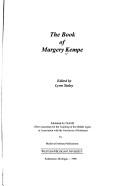 The Book of Margery KempeBy guest
by Margery Kempe
“Kempe dictated her life story to multiple scribes including her son who lived in Prussia, with the final priest-scribe producing the text around 1436-1438, creating England's first autobiography despite her illiteracy through collaborative medieval authorship practices.”
More from In Our Time
We summarize every new episode. Want them in your inbox?
Similar Episodes
Related episodes from other podcasts

The Vergecast
Aug 6
The next big thing in movies is 60-year-old IMAX tech

The Jordan Harbinger Show
Apr 28
1318: Guillaume Dulude | Tribal Truths for Modern Minds

The Bio Report
Mar 18
Outsmarting Resistance with Rhythm

SaaStr Podcast
Jan 21
SaaStr 838: The Present and Future of AI in Sales and GTM with SaaStr's CEO and Owner's CRO

Coaching for Leaders
Dec 15
763: Leading with Poise When the Stakes are High, with Eileen Collins
Explore Related Topics
This podcast is featured in Best History Podcasts (2026) — ranked and reviewed with AI summaries.
Read this week's Software Engineering Podcast Insights — cross-podcast analysis updated weekly.
You're clearly into In Our Time.
Every Monday, we deliver AI summaries of the latest episodes from In Our Time and 192+ other podcasts. Free for one show.
Start My Monday DigestNo credit card · Unsubscribe anytime