Why Do Better Tools Make Me Worse at My Job? (w/ David Epstein) | Monday Advice
Episode
81 min
Read time
3 min
Topics
Productivity, Health & Wellness, Remote Work
AI-Generated Summary
Key Takeaways
- ✓Theory of Constraints core principle: Every system is limited by a single bottleneck — the slowest step in any process. Speeding up steps before that bottleneck only creates pile-up, not more output. Goldratt condensed the entire 1,200-page Theory of Constraints handbook into one word: focus. Identify the single constraint first, then direct all improvement energy there before touching anything else in the workflow.
- ✓Digital tools and the bottleneck trap: Productivity tools like Slack and Notion accelerate information movement efficiently, but that is rarely the actual bottleneck. Epstein's video production workflow illustrates this: scripts moved faster through Notion, but approval still required his personal review. Adding a fact-checker — targeting the real constraint — did more than any workflow software improvement could achieve.
- ✓Stop starting, start finishing: A 15-person design office making custom gearboxes was switching tasks over 50 times daily. Implementing one rule — no new design starts until a current one finishes — tripled design output within months and cut total gearbox production time from 12 months to 2 months. Limiting work-in-process directly expands throughput at the actual constraint.
- ✓Identify your personal bottleneck before adding volume: Epstein as a college 800-meter runner cut weekly mileage from 85 to 35 miles and dropped one workout per week because recovery — not training volume — was his limiting factor. Performance improved immediately. Swimmer Sheila Taormina applied the same logic: targeting strength and power rather than aerobic endurance dropped her 200-meter freestyle time by 3.1 seconds, earning her a 1996 Olympic gold medal.
- ✓Front-load constraint-heavy thinking to accelerate execution: Epstein spent the first year of his *Inside the Box* writing process exclusively on research and mapping, producing a 100,000-word master thought list before writing a single page. A two-day silent retreat at a Franciscan monastery produced a single-page outline. This approach — uncomfortable and seemingly slow — resulted in finishing the manuscript weeks early with no chapters cut.
What It Covers
Cal Newport and David Epstein apply Eliyahu Goldratt's Theory of Constraints — originally developed for industrial manufacturing in his 1984 business novel *The Goal*, which sold 10 million copies — to explain why digital productivity tools often increase busyness without increasing output, then extend the framework to individual knowledge work and writing processes.
Key Questions Answered
- •Theory of Constraints core principle: Every system is limited by a single bottleneck — the slowest step in any process. Speeding up steps before that bottleneck only creates pile-up, not more output. Goldratt condensed the entire 1,200-page Theory of Constraints handbook into one word: focus. Identify the single constraint first, then direct all improvement energy there before touching anything else in the workflow.
- •Digital tools and the bottleneck trap: Productivity tools like Slack and Notion accelerate information movement efficiently, but that is rarely the actual bottleneck. Epstein's video production workflow illustrates this: scripts moved faster through Notion, but approval still required his personal review. Adding a fact-checker — targeting the real constraint — did more than any workflow software improvement could achieve.
- •Stop starting, start finishing: A 15-person design office making custom gearboxes was switching tasks over 50 times daily. Implementing one rule — no new design starts until a current one finishes — tripled design output within months and cut total gearbox production time from 12 months to 2 months. Limiting work-in-process directly expands throughput at the actual constraint.
- •Identify your personal bottleneck before adding volume: Epstein as a college 800-meter runner cut weekly mileage from 85 to 35 miles and dropped one workout per week because recovery — not training volume — was his limiting factor. Performance improved immediately. Swimmer Sheila Taormina applied the same logic: targeting strength and power rather than aerobic endurance dropped her 200-meter freestyle time by 3.1 seconds, earning her a 1996 Olympic gold medal.
- •Front-load constraint-heavy thinking to accelerate execution: Epstein spent the first year of his *Inside the Box* writing process exclusively on research and mapping, producing a 100,000-word master thought list before writing a single page. A two-day silent retreat at a Franciscan monastery produced a single-page outline. This approach — uncomfortable and seemingly slow — resulted in finishing the manuscript weeks early with no chapters cut.
- •AI tools accelerate non-bottleneck steps: Current AI coding tools create a classic constraint problem: faster generation leads developers to run 13 simultaneous agentic processes, causing log-jams where previously they managed one or two. For academic researchers, AI speeds up plot generation, but data access — often months of relationship-building — remains the actual bottleneck. Faster plots do not produce more papers; targeting the real constraint does.
Notable Moment
Newport realized mid-conversation that his entire podcasting workflow had been unconsciously structured around Theory of Constraints thinking — his rule of never touching a computer during production exists specifically to protect his time as the bottleneck, maximizing the percentage spent thinking, writing, and recording rather than on administrative tasks.

You just read a 3-minute summary of a 78-minute episode.
Get Deep Questions with Cal Newport summarized like this every Monday — plus up to 2 more podcasts, free.
Pick Your Podcasts — FreeKeep Reading
More from Deep Questions with Cal Newport
The AI Resistance is Forming. (Should You Join?)
Sep 14 · 71 min

Modern Wisdom
Why You Feel Overwhelmed All The Time (and how to fix it) - David Epstein - #1121
Jul 9
More from Deep Questions with Cal Newport
How Worrisome is GPT-6’s “Stealth Thinking”? | Tech Decoded
Sep 10 · 39 min

The Jordan Harbinger Show
1345: David Epstein | How Constraints Make Us Better
Jun 16
Books, tools, and gear mentioned in this episode
SignalCast may earn commission on purchases via these links. As an Amazon Associate, SignalCast earns from qualifying purchases.
Books
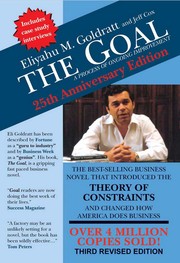
by Eliyahu Goldratt
“Eliyahu Goldratt's Theory of Constraints — originally developed for industrial manufacturing in his 1984 business novel *The Goal*, which sold 10 million copies”
 Inside the BoxBy guest
by David Epstein
“Epstein spent the first year of his *Inside the Box* writing process exclusively on research and mapping, producing a 100,000-word master thought list before writing a single page.”
More from Deep Questions with Cal Newport
We summarize every new episode. Want them in your inbox?
The AI Resistance is Forming. (Should You Join?)
How Worrisome is GPT-6’s “Stealth Thinking”? | Tech Decoded
How I’m Organizing My Life this Fall | Advice
Did OpenAI Create “Secret AI Civilizations”? | Tech Decoded
Rethinking the Deep Life Stack (Again!) | Monday Advice
Similar Episodes
Related episodes from other podcasts

Modern Wisdom
Jul 9
Why You Feel Overwhelmed All The Time (and how to fix it) - David Epstein - #1121

The Jordan Harbinger Show
Jun 16
1345: David Epstein | How Constraints Make Us Better

The School of Greatness
May 25
The Science of Doing Less to Achieve More | David Epstein

Masters of Scale
May 14
Author David Epstein on why constraints fuel innovation

We Study Billionaires
May 10
RWH068: How to Be Better in Work & Life w/ David Epstein
Explore Related Topics
This podcast is featured in Best Mindset Podcasts (2026) — ranked and reviewed with AI summaries.
Read this week's Health & Longevity Podcast Insights — cross-podcast analysis updated weekly.
You're clearly into Deep Questions with Cal Newport.
Every Monday, we deliver AI summaries of the latest episodes from Deep Questions with Cal Newport and 192+ other podcasts. Free for one show.
Start My Monday DigestNo credit card · Unsubscribe anytime