U Is for Urbanism
Episode
38 min
Read time
2 min
Topics
Health & Wellness, Design & UX, Philosophy & Wisdom
AI-Generated Summary
Key Takeaways
- ✓Jane Jacobs' Four Conditions: Thriving neighborhoods require mixed-use spaces (stores, homes, laundromats), short walkable blocks enabling casual encounters, combination of old and new buildings preventing gentrification, and dense population supporting local businesses while increasing safety through constant street activity.
- ✓Sidewalk Ballet Concept: Spontaneous daily interactions between neighbors, shopkeepers, children, and strangers create visible community health. Sesame Street's opening scene demonstrates this through Gordon greeting residents, buying newspapers, and casual window conversations that build social fabric without formal planning.
- ✓Intentional Urban Representation: Creator John Stone deliberately included gritty details like trash cans, soot-stained brownstones, and wheat-paste posters to mirror real inner-city environments, making the show relatable to impoverished urban children while depicting functional, integrated communities during 1960s white flight.
- ✓Teen-Friendly Design Gap: Playgrounds typically serve ages 0-12, while teens face hostility in public spaces. Philadelphia's FDR Park mega swing (120x100 foot ellipse with 20 swings) succeeds by using neutral colors and stainless steel instead of bright plastics, creating social spaces for physical activity beyond sports courts.
What It Covers
Sesame Street's 50-year influence on urban design education, demonstrating Jane Jacobs' four principles of vibrant neighborhoods through mixed-use blocks, diverse characters, and sidewalk interactions that shaped millions of children's understanding of healthy communities.
Key Questions Answered
- •Jane Jacobs' Four Conditions: Thriving neighborhoods require mixed-use spaces (stores, homes, laundromats), short walkable blocks enabling casual encounters, combination of old and new buildings preventing gentrification, and dense population supporting local businesses while increasing safety through constant street activity.
- •Sidewalk Ballet Concept: Spontaneous daily interactions between neighbors, shopkeepers, children, and strangers create visible community health. Sesame Street's opening scene demonstrates this through Gordon greeting residents, buying newspapers, and casual window conversations that build social fabric without formal planning.
- •Intentional Urban Representation: Creator John Stone deliberately included gritty details like trash cans, soot-stained brownstones, and wheat-paste posters to mirror real inner-city environments, making the show relatable to impoverished urban children while depicting functional, integrated communities during 1960s white flight.
- •Teen-Friendly Design Gap: Playgrounds typically serve ages 0-12, while teens face hostility in public spaces. Philadelphia's FDR Park mega swing (120x100 foot ellipse with 20 swings) succeeds by using neutral colors and stainless steel instead of bright plastics, creating social spaces for physical activity beyond sports courts.
Notable Moment
Actor Loretta Long emphasized that her character Susan owned the Sesame Street brownstone as a Black woman, challenging television stereotypes. The show's idealism deliberately depicted Black homeownership and integrated communities as achievable realities, not just fantasy, shaping children's expectations.
No transcript yet — request it by email, free
We'll transcribe this episode on request and email you the full transcript and AI summary — usually within a day. No account needed.
One email, no spam. We’ll also show you what SignalCast does.

You just read a 3-minute summary of a 35-minute episode.
Get 99% Invisible summarized like this every Monday — plus up to 2 more podcasts, free.
Pick Your Podcasts — FreeKeep Reading


Books, tools, and gear mentioned in this episode
SignalCast may earn commission on purchases via these links. As an Amazon Associate, SignalCast earns from qualifying purchases.
Books
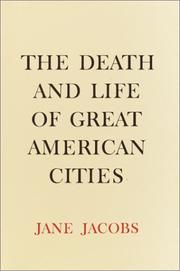
by Jane Jacobs
“Jane Jacobs' four principles of vibrant neighborhoods through mixed-use blocks, diverse characters, and sidewalk interactions that shaped millions of children's understanding of healthy communities.”
More from 99% Invisible
We summarize every new episode. Want them in your inbox?
Similar Episodes
Related episodes from other podcasts

The Joe Rogan Experience
Jul 14
#2525 - Nick Bostrom

The Mel Robbins Podcast
Oct 2
Use Your Mind to Heal Your Body With the #1 Harvard Psychologist

Shop Talk Show
Jun 23
670: Brad and Ian Frost on Their New Design Tokens Course

Throughline
Mar 20
Sesame Street

No Priors: Artificial Intelligence | Technology | Startups
Sep 3
Redefining Chip Architecture with Arm CEO Rene Haas
Explore Related Topics
Read this week's Health & Longevity Podcast Insights — cross-podcast analysis updated weekly.
You're clearly into 99% Invisible.
Every Monday, we deliver AI summaries of the latest episodes from 99% Invisible and 192+ other podcasts. Free for one show.
Start My Monday DigestNo credit card · Unsubscribe anytime