A Toolkit for a Noisy Mind: How John Green Manages Anxiety, Depression, and Intrusive Thoughts
Episode
59 min
Read time
2 min
Topics
Productivity, Health & Wellness, Leadership
AI-Generated Summary
Key Takeaways
- ✓Toolkit over time: Building a mental health toolkit across 25 years doesn't eliminate difficult periods but reduces both their intensity and duration. Green notes that in his twenties, depression felt permanent and inescapable. With accumulated strategies, the same challenges now feel more contained, making it possible to sustain a productive, connected life alongside a serious mental illness diagnosis.
- ✓Thought spiral management: OCD-driven intrusive thoughts function like a blizzard — starting with three or four snowflakes before becoming blinding. The evidence-based reframe is recognizing thoughts as just thoughts, not predictions or commands. Practically, this means watching thoughts pass like cars on a street rather than climbing in to investigate — a distinction Green credits with measurable day-to-day relief.
- ✓Shame reduction through naming: Borrowing from Fred Rogers' principle that anything mentionable is manageable, Green deliberately gives language and structure to formless internal experiences. Writing the novel Turtles All the Way Down required naming OCD thought spirals precisely enough for readers to experience them, not just observe them — a process that made his own shame more workable and less paralyzing.
- ✓Outward focus and scope management: Turning attention toward external problems reduces psychological paralysis, but only when scoped narrowly. Green avoids scanning every crisis simultaneously, which triggers decision paralysis. Instead, he takes a long-term view on specific issues like tuberculosis and child mortality — noting child deaths under five dropped from 12 million to 5 million annually over roughly 25 years through deliberate collective effort.
- ✓Identity diversification: Placing professional identity — book sales, video metrics, audience numbers — at the center of self-worth creates fragility because those metrics are easily measured and constantly visible. Green distributes identity across roles as parent, spouse, sibling, and collaborator. He also reframes productivity to include generating joy, memory, and connection, not only measurable creative output.
What It Covers
Author John Green, who has lived with OCD and major depression for over 25 years, shares his practical mental health toolkit with Dan Harris. Topics include managing intrusive thought spirals, shame reduction through naming, finding purpose through collaboration, maintaining hope amid injustice, and the tradeoffs of public vulnerability.
Key Questions Answered
- •Toolkit over time: Building a mental health toolkit across 25 years doesn't eliminate difficult periods but reduces both their intensity and duration. Green notes that in his twenties, depression felt permanent and inescapable. With accumulated strategies, the same challenges now feel more contained, making it possible to sustain a productive, connected life alongside a serious mental illness diagnosis.
- •Thought spiral management: OCD-driven intrusive thoughts function like a blizzard — starting with three or four snowflakes before becoming blinding. The evidence-based reframe is recognizing thoughts as just thoughts, not predictions or commands. Practically, this means watching thoughts pass like cars on a street rather than climbing in to investigate — a distinction Green credits with measurable day-to-day relief.
- •Shame reduction through naming: Borrowing from Fred Rogers' principle that anything mentionable is manageable, Green deliberately gives language and structure to formless internal experiences. Writing the novel Turtles All the Way Down required naming OCD thought spirals precisely enough for readers to experience them, not just observe them — a process that made his own shame more workable and less paralyzing.
- •Outward focus and scope management: Turning attention toward external problems reduces psychological paralysis, but only when scoped narrowly. Green avoids scanning every crisis simultaneously, which triggers decision paralysis. Instead, he takes a long-term view on specific issues like tuberculosis and child mortality — noting child deaths under five dropped from 12 million to 5 million annually over roughly 25 years through deliberate collective effort.
- •Identity diversification: Placing professional identity — book sales, video metrics, audience numbers — at the center of self-worth creates fragility because those metrics are easily measured and constantly visible. Green distributes identity across roles as parent, spouse, sibling, and collaborator. He also reframes productivity to include generating joy, memory, and connection, not only measurable creative output.
Notable Moment
Green describes a passage from his tuberculosis book where he raises the possibility that his OCD — specifically his fear of microbes — may itself be caused by his gut microbiome, meaning the very organisms he obsesses over could be generating the obsession itself.
Episode Transcript
This is the Ten Percent Happier podcast. I'm Dan Harris. Hello, my fellow suffering beings. How we doing? Today, we've got a wide ranging, super interesting, and in its own way, very practical conversation with the writer and YouTuber, John Green, who has a lot of experience, way too much experience, I think he would say, in managing anxiety, depression, and intrusive thoughts. We're gonna do a deep dive into his toolkit for managing the aforementioned, which includes a lot of effective strategies. We're also gonna talk about his view of God, how he maintains hope in a chaotic and unfair world, and why he wrote a whole book recently about the thing that terrifies him. Many of you know John Green, but for those of you who don't, he's the author of many, many best selling books, including Looking for Alaska, The Fault in Our Stars, and Turtles All the Way Down. He's not only a writer, he does a ton of stuff on YouTube with his brother, Hank. John has created something called Vlogbrothers and also an educational channel called Crash Course. So John's coming up. Before we dive in though, heads up. We're in the middle of a five day meditation challenge over on my new meditation app, 10% with Dan Harris, and it's not too late to join. The challenge is called Even You Can Meditate. Every day, it features a new meditation from the great seven a Salasse. And then twice during the course of the five days, we do live video sessions where you can ask questions of me and Seb. The first video session already happened, but you're not too late to join the second one. And don't worry, if you sign up after the fact, this challenge will be available on demand in perpetuity. Again, it's available exclusively over on the 10% with Dan Harris app. Head on over to danharris.com to join us. I should mention that this challenge is actually designed in part to celebrate a new audiobook or Audible original that Seb and I co wrote and co recorded. That book is also called Even You Can Meditate. And if you wanna check it out, you should go to audible.com. One last thing to say on the promotional tip. I am doing a live event in New York City. I would love to see you there. It's at the 92nd Street Y on May 17. You can meditate with me in person. I'll be guiding a meditation, and then taking your questions and talking all about how to fit this practice into your life, and especially focusing on how it could be helpful at a time when so many of us feel so anxious and angry. I'll put a link in the show notes. Seriously, I would love to see you there. Okay. We'll get started with John Green right after this. Paleo Valley is a health and wellness brand that focuses on creating nutrient dense, whole food sourced …
Get the full transcript (12,167 words) + summary by email — free
One-time email with the complete transcript and AI summary of this episode. No account needed.
One email, no spam. We’ll also show you what SignalCast does.

You just read a 3-minute summary of a 56-minute episode.
Get 10% Happier with Dan Harris summarized like this every Monday — plus up to 2 more podcasts, free.
Pick Your Podcasts — FreeKeep Reading
More from 10% Happier with Dan Harris
Amanda Knox On: Finding Meaning in Tragedy, Not Needing an Apology, and Refusing to Own What Other People Think
Sep 23 · 67 min

The Daily (NYT)
'The Interview': John Green Knows That No One Really Loves You on the Internet
Nov 22
More from 10% Happier with Dan Harris
The Science Of Emotion Regulation: A Five-Step Plan For Not Losing Your Sh*t | Marc Brackett
Sep 21 · 71 min

Odd Lots
What Dan Wang Saw on His Last Trip to China
Jul 2
Books, tools, and gear mentioned in this episode
SignalCast may earn commission on purchases via these links. As an Amazon Associate, SignalCast earns from qualifying purchases.
Books
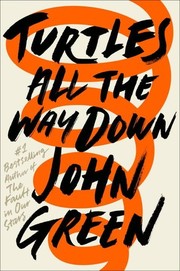 Turtles All the Way DownBy guest
by John Green
“Writing the novel Turtles All the Way Down required naming OCD thought spirals precisely enough for readers to experience them, not just observe them — a process that made his own shame more workable and less paralyzing.”
More from 10% Happier with Dan Harris
We summarize every new episode. Want them in your inbox?
Amanda Knox On: Finding Meaning in Tragedy, Not Needing an Apology, and Refusing to Own What Other People Think
The Science Of Emotion Regulation: A Five-Step Plan For Not Losing Your Sh*t | Marc Brackett
Comedian Josh Johnson On: Handling News Cycle Anxiety, His Insane Work Ethic, and Why AI is BS
The Reset for Anxiety, Overthinking, and Losing Yourself in the Wrong Story | Diana Winston
What's Worth Living For? | Dr. Atul Gawande
Similar Episodes
Related episodes from other podcasts

The Daily (NYT)
Nov 22
'The Interview': John Green Knows That No One Really Loves You on the Internet

Odd Lots
Jul 2
What Dan Wang Saw on His Last Trip to China

Lenny's Podcast
Jun 14
The hidden pattern behind successful products | Mark Pincus (founder of Zynga)

Modern Wisdom
May 23
The New Way Of The Superior Man - David Deida - #1101

The Tim Ferriss Show
Mar 5
#856: Jim Collins — What to Make of a Life and How to Maximize Your Return on Luck
Explore Related Topics
This podcast is featured in Best Health Podcasts (2026) — ranked and reviewed with AI summaries.
Read this week's Health & Longevity Podcast Insights — cross-podcast analysis updated weekly.
You're clearly into 10% Happier with Dan Harris.
Every Monday, we deliver AI summaries of the latest episodes from 10% Happier with Dan Harris and 192+ other podcasts. Free for one show.
Start My Monday DigestNo credit card · Unsubscribe anytime